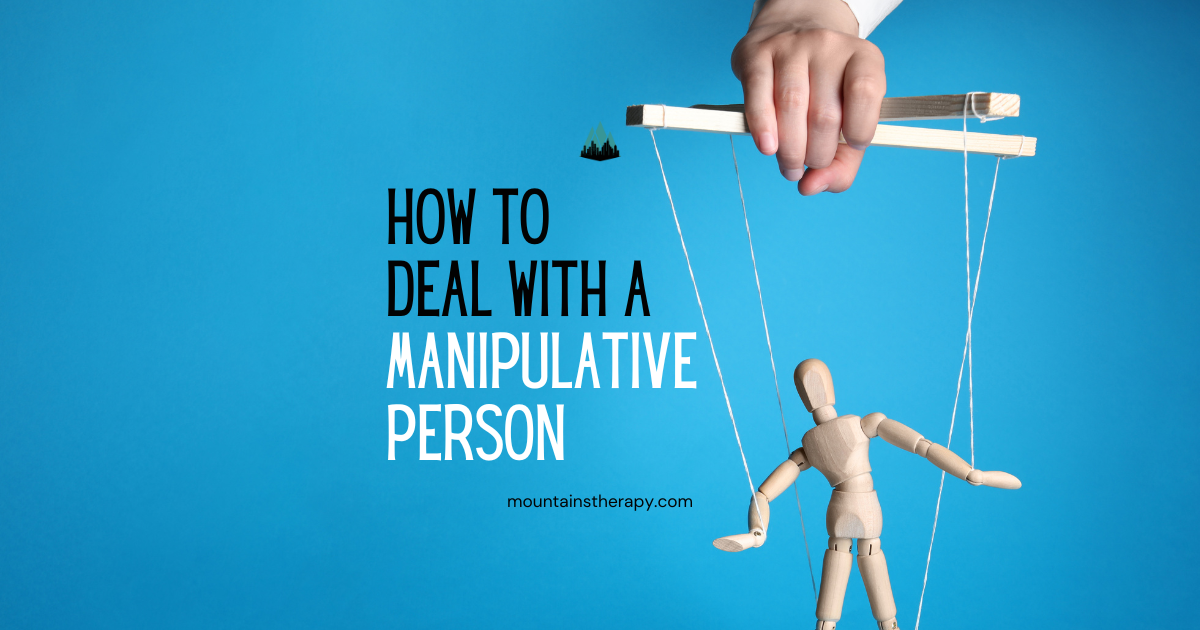
How to Deal with a Manipulative Person: BPD Manipulation vs. Narcissistic Manipulation
Learn more about BPD Therapy and NPD Therapy.
In This Blog, You’ll Learn:
- How to Identify a Manipulative Person
- How to Recognize Manipulation in a Relationship
- How to Spot Signs of a Manipulator in a Relationship
- Examples of Manipulation in Relationships
- How to Handle and Respond to a Manipulative Person
- Difference Between BPD and Narcissistic Manipulation
How to Deal with a Manipulative Person
Manipulation in relationships, friendships, or even at work can be emotionally draining and confusing. Understanding what is a manipulative person and learning strategies for dealing with their behavior is essential for protecting your mental and emotional well-being. If you've been asking yourself "Am I being
manipulated in a relationship?" then you'll find this blog helpful. Learn how to identify manipulative behaviors, set boundaries, and respond effectively to maintain control over your own life.
What Is a Manipulative Person?
A manipulative person uses psychological tactics to control, deceive, or influence others for their benefit. But can a manipulative person change? The answer depends on their willingness to acknowledge and modify their behavior, which is often difficult without professional help. Understanding what is a manipulative person in a relationship is crucial because manipulation can lead to emotional distress and a loss of self-confidence.
How to Spot a Manipulative Person
Recognizing manipulation is the first step to protecting yourself. Here are some common signs of manipulation relationship:
- How does a manipulative person behave? They often gaslight, guilt-trip, or twist facts to serve their agenda.
- How does a manipulative person talk? They use persuasive language, emotional appeals, and indirect aggression to influence others.
- What does a manipulative person say? They may claim, "You're overreacting," "I was just joking," or "If you really cared, you’d do this for me."
- What does a manipulative person look like? While there’s no physical trait that defines them, their body language might include excessive charm, insincere flattery, or a tendency to avoid direct eye contact when confronted.
How to Handle a Manipulative Person
Once you recognize manipulation, it’s time to take action. Here’s how to set boundaries and regain control:
- Establish Clear Boundaries – Knowing how to handle a manipulative person means confidently saying "no" and not letting guilt dictate your decisions.
- Trust Your Instincts – If something feels off, it probably is. Can you trust a manipulative person? Generally, no. Their actions often contradict their words.
- Avoid Engaging in Their Games – Manipulators thrive on emotional reactions. Stay calm and refuse to be drawn into unnecessary conflict.
- Seek Support – If manipulation is affecting your mental health, talking to a therapist can provide clarity and coping strategies.
BPD vs. Narcissistic Manipulation
Manipulation can stem from various personality disorders, but two commonly discussed types are BPD manipulation - associated with Borderline Personality Disorder and Narcissistic manipulation - linked to Narcissistic Personality Disorder. While both involve manipulative tendencies, they stem from different emotional needs and psychological patterns.
BPD Manipulation
People with Borderline Personality Disorder often engage in manipulative behaviors due to intense fear of abandonment, emotional instability, and deep-seated insecurities. Their actions may not be consciously malicious but rather a desperate attempt to secure emotional reassurance and avoid rejection. Unlike narcissists, individuals with BPD often feel deep regret or shame after manipulative behaviors and may express remorse. Learn more about BPD Therapy.
Some common BPD-related manipulation tactics include:
- Emotional outbursts to regain attention or validation.
- Threats of self-harm or extreme distress when feeling abandoned.
- Splitting, viewing people as either entirely good or bad, leading to erratic relationships.
- Passive-aggressive guilt-tripping to maintain control in relationships.
Narcissistic Manipulation
Narcissists manipulate for control, superiority, and self-enhancement rather than out of emotional desperation. Their tactics are typically more calculated and self-serving, designed to ensure admiration and dominance over others. Unlike those with BPD, narcissists rarely experience guilt for manipulation and often believe they are justified in their actions. Learn more about NPD Therapy.
Common narcissistic manipulation strategies include:
- Gaslighting—making others doubt their perception of reality.
- Love-bombing followed by devaluation to keep people emotionally invested.
- Playing the victim to elicit sympathy while avoiding accountability.
- Triangulation, where they pit people against each other to maintain control.
Whether dealing with BPD manipulation or narcissistic manipulation, setting firm boundaries, prioritizing self-care, and recognizing patterns of emotional exploitation can help protect your mental well-being. If you find yourself in a manipulative relationship, seeking professional support can provide strategies for navigating these dynamics effectively.
Common Questions and Answers about Manipulative People
If you’re struggling with manipulation in your life, seeking guidance from a therapist can help you develop strategies to protect yourself and build healthier relationships. At Mountains Therapy in Montclair, NJ, we provide the support and tools you need to navigate challenging interpersonal dynamics and maintain emotional strength.
1. Can a Manipulative Person Fall in Love?
- One of the most commonly asked questions is, can a manipulative person fall in love? While they may experience affection, their relationships are often transactional rather than emotionally genuine. If manipulation defines the relationship, love may be conditional, based on control rather than mutual respect.
2. How to Win Against a Manipulative Person
- You don’t have to outmaneuver them; you just need to disengage. How to win a manipulative person isn’t about beating them at their own game but rather refusing to play. Walk away, assert your boundaries, and maintain emotional detachment.
3. Why Is a Person Manipulative?
- If you’ve ever wondered, why is a person manipulative? it often stems from past experiences, insecurity, or learned behavior. Some individuals manipulate unconsciously. Can a person be manipulative without knowing it? Yes, some use manipulation as a defense mechanism or a way to get their needs met without realizing the harm they cause.
4. When a Manipulative Person Apologizes
- Be wary of empty apologies. When a manipulative person apologizes, their words may be designed to regain control rather than express genuine remorse. Watch for actions that back up their apology rather than simply accepting their words.
5. Will a Manipulative Person Ever Change?
- Will a manipulative person ever change? It’s possible, but only if they acknowledge their behavior and seek help. Many manipulative individuals resist change because their tactics have worked for them in the past.
How To Protect Yourself from Manipulation
If you’ve ever felt emotionally drained by someone’s behavior, you might ask, how can a manipulative person destroy you? or ways of protecting yourself from manipulation. Manipulation can lead to self-doubt, anxiety, and even depression. Learning how to deal with manipulative person is essential for your emotional well-being. By recognizing manipulation, setting firm boundaries, and prioritizing your mental health, you can take control of your interactions and relationships.
Are you struggling with a manipulator?
- If you’re struggling with manipulation in your life, seeking guidance from a therapist can help you develop strategies to protect yourself and build healthier relationships. At Mountains Therapy in Montclair, NJ, we provide the support and tools you need to navigate challenging interpersonal dynamics and maintain emotional strength.
How Therapy Can Help You Navigate Manipulative People in Your Life
Dealing with manipulation can be overwhelming, leaving you emotionally drained and unsure of how to protect yourself. Therapy provides a structured and supportive environment to help you recognize manipulative behaviors, set firm boundaries, and develop healthy coping strategies.
How Therapy Supports You Against Manipulation
- Identifying Manipulation: A therapist can help you spot subtle manipulative tactics and understand the emotional impact they have on you.
- Building Strong Boundaries: Therapy teaches assertiveness skills so you can confidently say “no” without guilt or fear.
- Breaking Free from Guilt and Self-Doubt: Manipulative people often make you question yourself. A therapist helps you regain self-trust and confidence.
- Healing from Emotional Trauma: If you’ve been manipulated for a long time, therapy provides a space to process emotions, rebuild self-esteem, and work through any lingering trauma.
- Developing Effective Communication Skills: Therapy can equip you with tools to respond to manipulation without being drawn into toxic patterns.
If you find yourself struggling with a manipulative person—whether in a relationship, at work, or within your family—therapy can offer the guidance and support you need to take back control of your life. At Mountains Therapy in Montclair, NJ, we can help support and teach tools you need to navigate challenging interpersonal dynamics and maintain emotional strength.
Contact Us
Reach out to find the best therapist for manipulation and best counselor for manipulation, best therapist for BPD manipulation, best counselor for BPD, manipulation, best therapist for NPD manipulation and best counselor for NPD manipulation.
POSTS
Elevate Mental Health Blog: Best Therapists of Montclair 2024