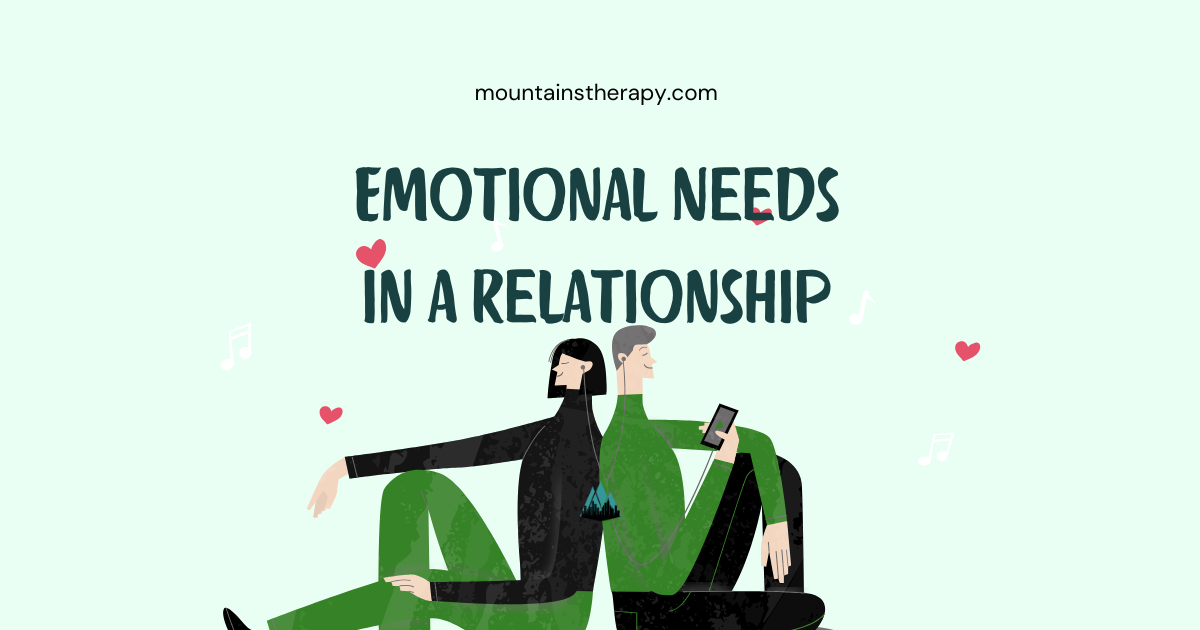
Emotional Needs in a Relationship: Building Connection and Understanding
Learn more about Relationship Therapy, Couples Counseling, and Marriage Counseling.
In This Blog, You Will Learn
- What emotional needs are and why they matter in relationships
- Emotional attachment meaning and how it impacts connection
- How attachment styles in relationship patterns show up in conflict
- How to spot manipulation relationships and communicate boundaries
- How couples counseling supports long term emotional intimacy
What Are Emotional Needs in a Relationship?
Emotional needs are the internal experiences that help people feel secure, valued, and connected in their partnerships. For many people, this is closely tied to emotional attachment. If you have ever searched define emotional attachment, you are likely trying to understand why closeness feels easy in some moments and hard in others.
Emotional attachment meaning can be described as the bond that helps you feel emotionally connected and safe with someone you care about. When emotional needs are met, relationships tend to feel stable and fulfilling. When they are unmet, couples often experience distance, resentment, anxiety, or ongoing conflict.
Emotional needs vary from person to person. One partner may value reassurance and verbal affirmation, while another may feel most loved through quality time or acts of care. A couples therapist can help partners identify these needs and create a shared plan to meet them more consistently.
Why Addressing Emotional Needs Matters
Unmet emotional needs are one of the most common underlying causes of relationship distress. Many couples argue about surface level issues, but underneath the conflict is often a deeper fear of disconnection. This is where attachment in relationships becomes important. When attachment needs are not understood, partners can fall into painful cycles like:
- Criticism and defensiveness
- Pursuing and withdrawing
- Shutting down emotionally
- Repeating the same argument with no resolution
If you are also noticing high conflict or control dynamics, it may be helpful to explore what is manipulation in a relationship. Manipulation relationships may include guilt, pressure, emotional withholding, blame shifting, or using fear of abandonment to control outcomes. Therapy can help clarify what is happening, strengthen boundaries, and rebuild emotional safety.
Through relationship counseling in New Jersey, couples learn how to:
- Identify emotional needs beneath conflict
- Communicate with clarity and respect
- Listen with empathy instead of reactivity
- Rebuild trust after repeated misunderstandings
Common Emotional Needs in Relationships
Some of the most common emotional needs couples experience include:
- Feeling emotionally understood and validated
- Feeling appreciated and respected
- Feeling emotionally safe and secure
- Feeling prioritized and valued
- Feeling supported during stress or transitions
- Feeling chosen, not tolerated
Many people also search signs he is emotionally attached to you when they are trying to understand whether a partner is emotionally invested. While every relationship looks different, emotional attachment often shows up through consistency, empathy, and willingness to repair conflict rather than avoid it.
Attachment Styles and Emotional Needs
Attachment styles in relationship patterns can shape how partners give and receive love. For example:
- Anxious patterns may seek reassurance and closeness
- Avoidant patterns may value independence and need space to feel regulated
- Secure patterns tend to communicate needs more directly
When couples understand attachment in relationships, it becomes easier to stop blaming each other and start naming what is actually happening emotionally. A relationship therapist can help you identify your patterns and build new ways of relating that feel safer and more connected.
How to Identify and Express Emotional Needs
1. Self Reflection
Understanding your emotional needs starts with awareness. Ask yourself:
- When do I feel most connected to my partner?
- What hurts the most during conflict?
- What do I need more of emotionally?
2. Open Communication
Sharing emotional needs requires vulnerability. Needs are not demands. They are invitations for deeper understanding. Couples counseling provides a safe space to practice expressing needs clearly and respectfully.
3. Active Listening
Listening without interrupting, fixing, or defending builds emotional safety. Emotional intimacy grows when partners feel heard and taken seriously.
4. Seek Professional Support
If communication feels stuck, therapy for relationships can help. A couples therapist or relationship counselor guides partners through difficult conversations while keeping the relationship emotionally grounded.
Building Emotional Intimacy
Emotional intimacy is created through consistency, safety, and mutual effort. Some ways couples strengthen emotional intimacy include:
- Prioritizing intentional time together
- Expressing appreciation regularly
- Showing curiosity about each other’s inner world
- Repairing conflict quickly and gently
- Working through challenges collaboratively instead of adversarially
Some people get curious about relationship dynamics through media, including any couple therapy tv show that highlights communication breakdowns and repair. While these shows can be relatable, real growth typically requires personalized support and practical tools for your specific relationship patterns.
How Therapy Helps With Emotional Needs in Relationships
At Mountains Therapy, we use evidence based approaches to help couples understand and meet emotional needs more effectively, including:
- Emotionally Focused Therapy (EFT) to strengthen emotional bonds and repair disconnection
- Gottman Method Couples and Marriage Counseling if you are looking for a gottman method couples therapist approach that builds friendship, improves conflict skills, and supports trust
- Cognitive Behavioral Therapy (CBT) to shift unhelpful communication patterns
- Acceptance and Commitment Therapy (ACT) to build emotional flexibility and values based partnership
- Psychodynamic Therapy to explore long standing relational patterns
- Mindfulness Based Therapy to improve emotional regulation and presence
Relationship Therapy and Counseling Services at Mountains Therapy
We offer relationship focused services tailored to your needs, including:
- Individual Therapy for relationship stress, boundaries, or healing after emotional harm
- Family Therapy
- Online Therapy and In Person Therapy
If you are actively questioning whether your marriage is ending, you may be searching marriage is over signs. A therapist can help you explore what is happening with clarity, without pressure, and with attention to emotional safety and next steps.
Why Choose Mountains Therapy
At Mountains Therapy, our relationship therapists support couples who feel disconnected, stuck in the same argument cycle, or worried about emotional distance. We help partners rebuild emotional attachment, improve communication, and create healthier relationship patterns grounded in respect and care.
Start Relationship Therapy Today
You deserve a relationship built on emotional understanding, trust, and connection. Reach out to connect with a relationship therapist or couples counselor at Mountains Therapy. Contact us to connect with a therapist for relationships in Montclair, NJ, and a counselor for relationships in Montclair, NJ
POSTS
Elevate Mental Health Blog: Best Therapists of Montclair 2024