What Do The Colors of the Pride Flags Mean?
In This Blog, You'll Learn:
- What do all the colors of the Pride flag mean?
- What do the gay Pride flag colors mean?
- How many colors are in the Pride rainbow?
- What color symbolizes Pride?
- What do the colors on the bisexual flag mean?
- What Pride flag is blue, pink, and white?
- What Pride flag is pink, yellow, and blue?
- What is the Pride flag with purple, white, and green?
- What does the purple, white, and orange Pride flag represent?
- What does the pink, green, and blue Pride flag mean?
- The differences between LGBTQ+ Pride flags and their meanings.
- How LGBTQ+ identity, acceptance, and mental health are connected.
- How LGBTQIA2S+-affirming therapy can support individuals, couples, and families.
Pride Flags
Let's take a moment to appreciate the beautiful colors of the Pride flags and what they represent. At Mountains Therapy, an LGBTQIA2S+ owned business, we are proudly support and celebrate the LGBTQIA2S+ community. Pride Month is a time to honor the diversity, resilience, and contributions of LGBTQ+ individuals.
What Do the Colors of the Rainbow Pride Flag Mean?
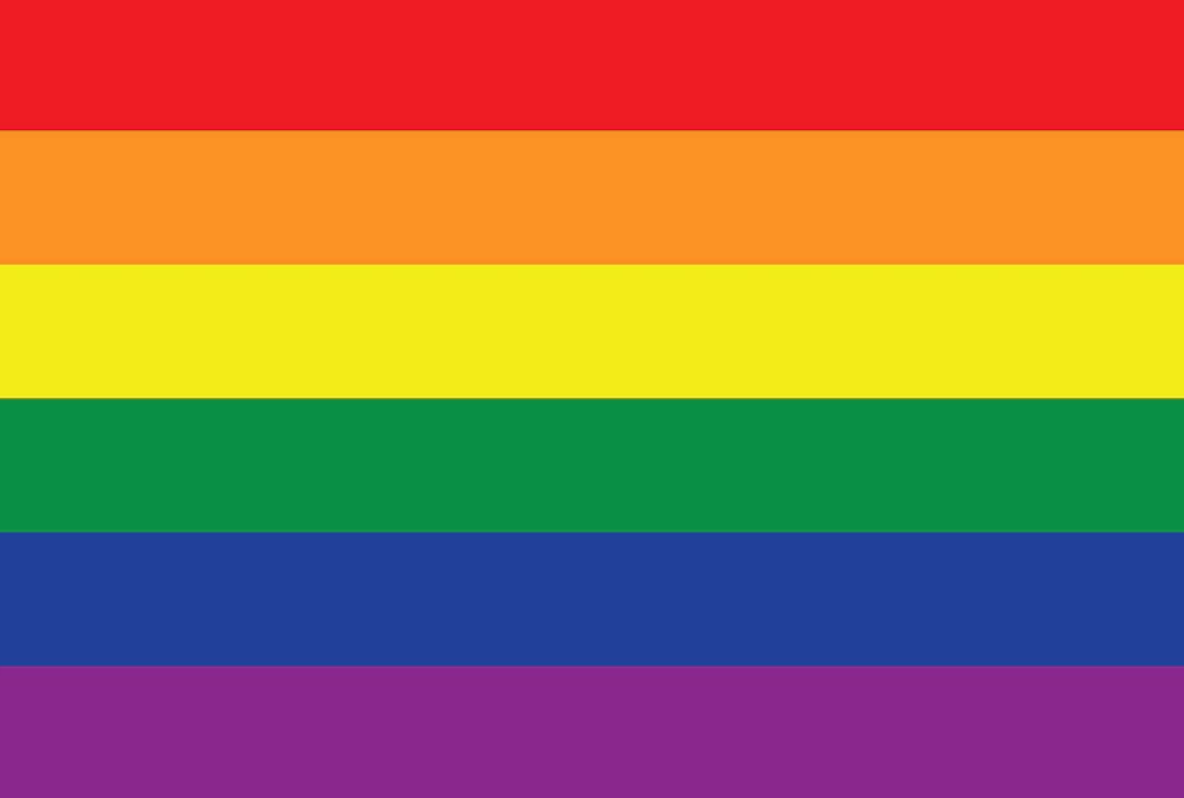
What do all the colors of the Pride flag mean? The traditional LGBTQ+ rainbow Pride flag contains six horizontal stripes: red, orange, yellow, green, blue, and purple. If you're searching what do the gay pride flag colors mean, what color symbolizes pride, or how many colors are in the pride rainbow, the rainbow flag is one of the most widely recognized symbols of LGBTQ+ identity, diversity, and inclusion.
LGBTQ+ Pride Flag
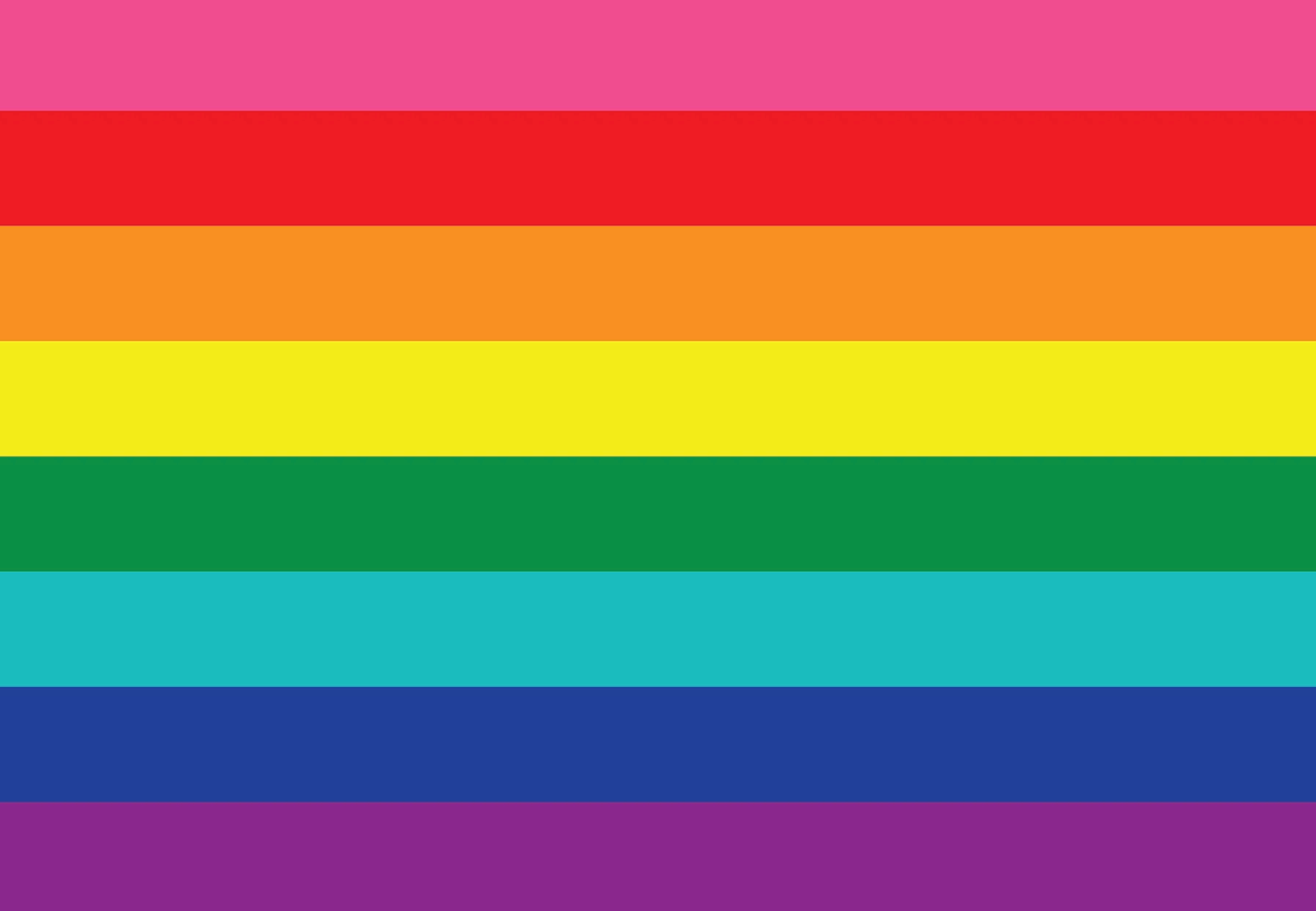
The rainbow Pride flag is one of the most recognizable symbols of LGBTQ+ identity, equality, visibility, and community. The original rainbow Pride flag was designed by artist and activist Gilbert Baker in 1978 and first displayed in San Francisco. The original design included eight colors, each representing a different aspect of life and human experience. Although the rainbow flag is sometimes called the gay Pride flag, it is widely used as a symbol of the broader LGBTQ+ community rather than representing only gay individuals.
Its colors are generally understood as:
- Red: Life: Celebrating the life and vitality of the LGBTQIA2S+ community.
- Orange: Healing: Acknowledging the journey of healing and growth.
- Yellow: Sunlight: Embracing the warmth and positivity that shines within us all.
- Green: Nature: Connecting with our natural selves and the world around us.
- Blue: Harmony: Striving for peace and unity in our community.
- Purple: Spirit: Honoring the unique spirit and strength of every individual.
- Pink: Sexuality: Represents sexual attraction and identity.The modern six-color rainbow Pride flag is commonly used to represent the broader LGBTQ+ community.
How Many Colors Are in the Pride Rainbow?
The most recognizable rainbow Pride flag contains six colors: red, orange, yellow, green, blue, and purple. However, different versions exist. The number of colors depends on which Pride flag is being discussed.
- Original Pride Flag: Eight colors.
- Traditional Rainbow Pride Flag: Six colors.
- Philadelphia Pride Flag: Eight stripes, adding black and brown.
- Progress Pride Flag: Six rainbow stripes with additional colors in a chevron.
- Intersex-Inclusive Progress Pride Flag: Adds a yellow triangle and purple circle to the Progress Pride design.
What Color Symbolizes Pride?
There is no single color that represents all LGBTQ+ Pride identities. Instead, the rainbow is widely recognized as a symbol of Pride, diversity, visibility, and solidarity. Individual colors also carry specific meanings. For example, purple is often associated with spirit, while green commonly represents nature on the rainbow Pride flag. Different LGBTQ+ identity flags use colors to communicate their own meanings and experiences.
What Do the Colors of the Bisexual Pride Flag Mean?
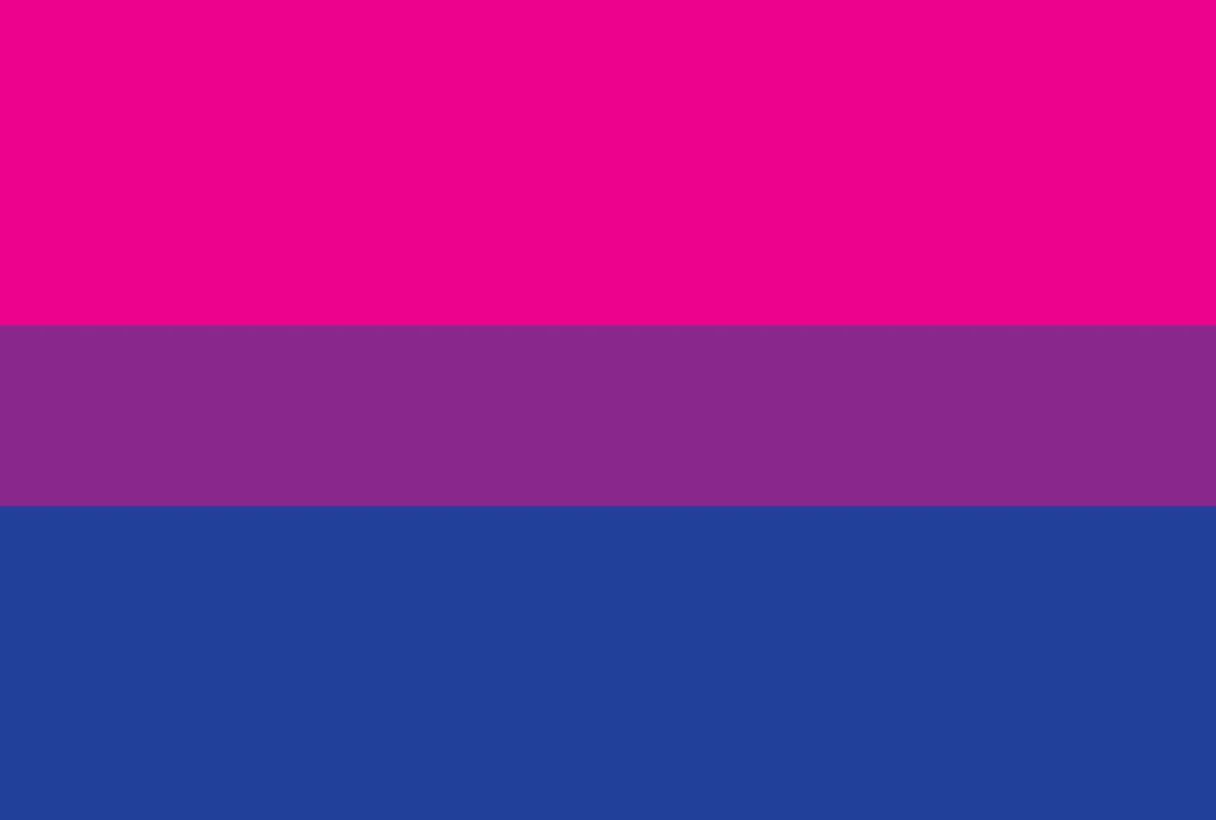
What do the colors on the bisexual flag mean? The bisexual Pride flag contains three horizontal stripes: pink, purple, and blue. If you're wondering what do the colors on the bi flag mean or what colors are the bisexual flag, each color represents a different aspect of bisexual attraction and identity.
Bisexual Pride Flag Colors and Meanings
- Pink/Magenta: Represents attraction to people of the same gender.
- Purple/Lavender: Represents the overlap of same-gender and different-gender attraction.
- Blue: Represents attraction to people of different genders.
The bisexual Pride flag features a wide pink stripe at the top, a narrower purple stripe in the middle, and a wide blue stripe at the bottom. Together, these colors symbolize bisexual attraction and the diversity of people to whom bisexual individuals may be attracted. Designed by Michael Page in 1998, the bisexual Pride flag was created to increase bisexual visibility, awareness, and representation within the LGBTQ+ community.
Bisexuality generally describes romantic or sexual attraction to more than one gender. This attraction does not have to be equal across genders and may vary from person to person. The bisexual Pride flag celebrates bisexual identity, diversity, visibility, acceptance, and inclusion, while helping challenge stereotypes and misconceptions about bisexuality.
What Does Bisexual Mean?
Bisexuality is a sexual orientation that describes romantic, emotional, or sexual attraction to more than one gender. Bisexual individuals may be attracted to people of the same gender and different genders, and their attraction does not have to be equal. Being bisexual does not depend on someone's current relationship, dating history, or the gender of their partner. Bisexual-affirming therapy can provide a supportive environment for exploring identity, relationships, self-acceptance, and emotional well-being.
What do the Colors of the Trans Pride Flag mean?
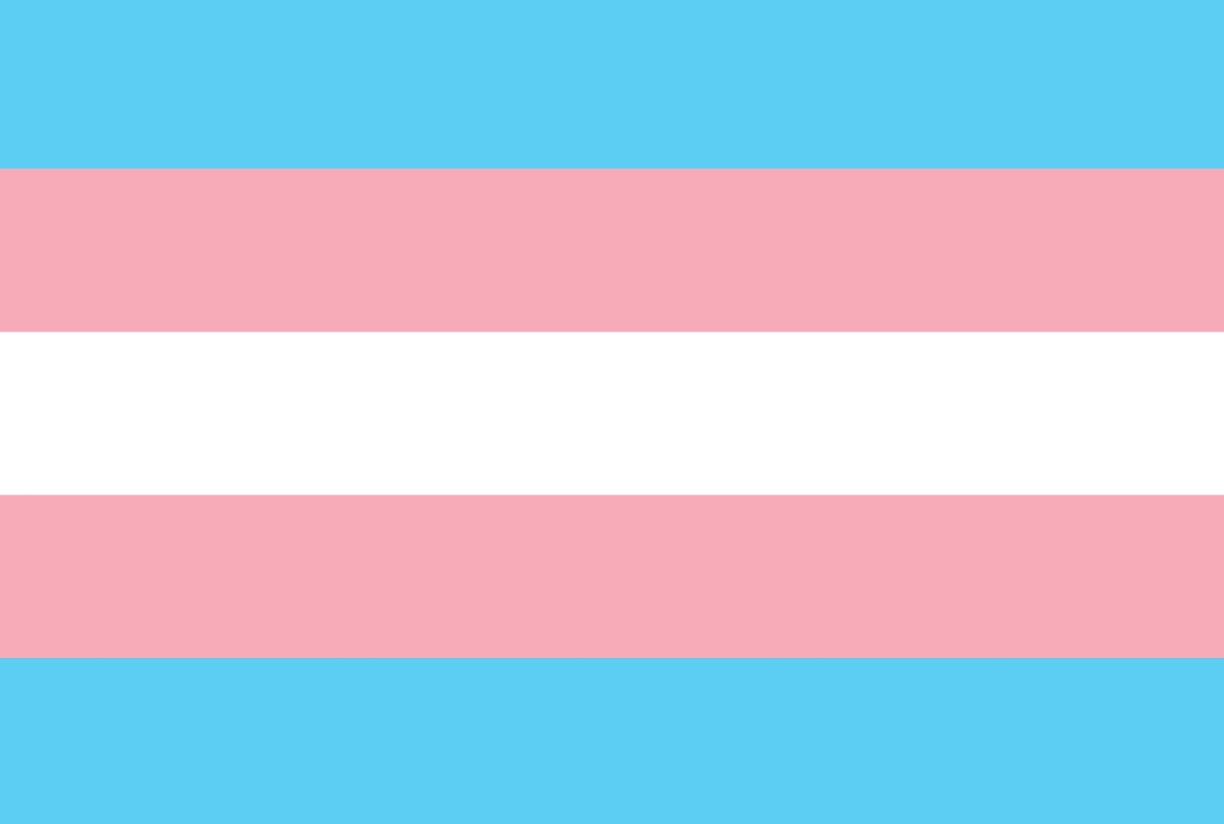
What pride flag is blue pink and white? The transgender Pride flag contains five horizontal stripes featuring light blue, pink, and white. These colors represent transgender identity, gender diversity, and inclusion.
Transgender Pride Flag Colors and Meanings
- Light Blue: Traditionally associated with baby boys.
- Pink: Traditionally associated with baby girls.
- White: Represents people who are transitioning, have a neutral or undefined gender, or identify outside traditional gender categories.
The transgender Pride flag was created by Monica Helms in 1999 and first displayed publicly in 2000.
Transgender individuals have a gender identity that differs from the sex assigned to them at birth. The flag promotes transgender visibility, acceptance, equality, and recognition. The flag contains five horizontal stripes: light blue, pink, white, pink, and light blue.
What Does Transgender Mean?
Transgender describes individuals whose gender identity differs from the sex they were assigned at birth. Transgender people may identify as men, women, nonbinary, or another gender identity. Being transgender relates to gender identity rather than sexual orientation, and not all transgender individuals pursue medical or surgical transitions.
Transgender is an umbrella term describing individuals whose gender identity differs from the sex assigned to them at birth. Gender identity is distinct from sexual orientation. Transgender individuals may identify as heterosexual, gay, lesbian, bisexual, pansexual, asexual, or another sexual orientation. Supportive relationships, affirming environments, and access to appropriate mental health care can help transgender individuals navigate stress, discrimination, family relationships, and identity-related concerns.
What do the Colors of the Pansexual Flag mean?
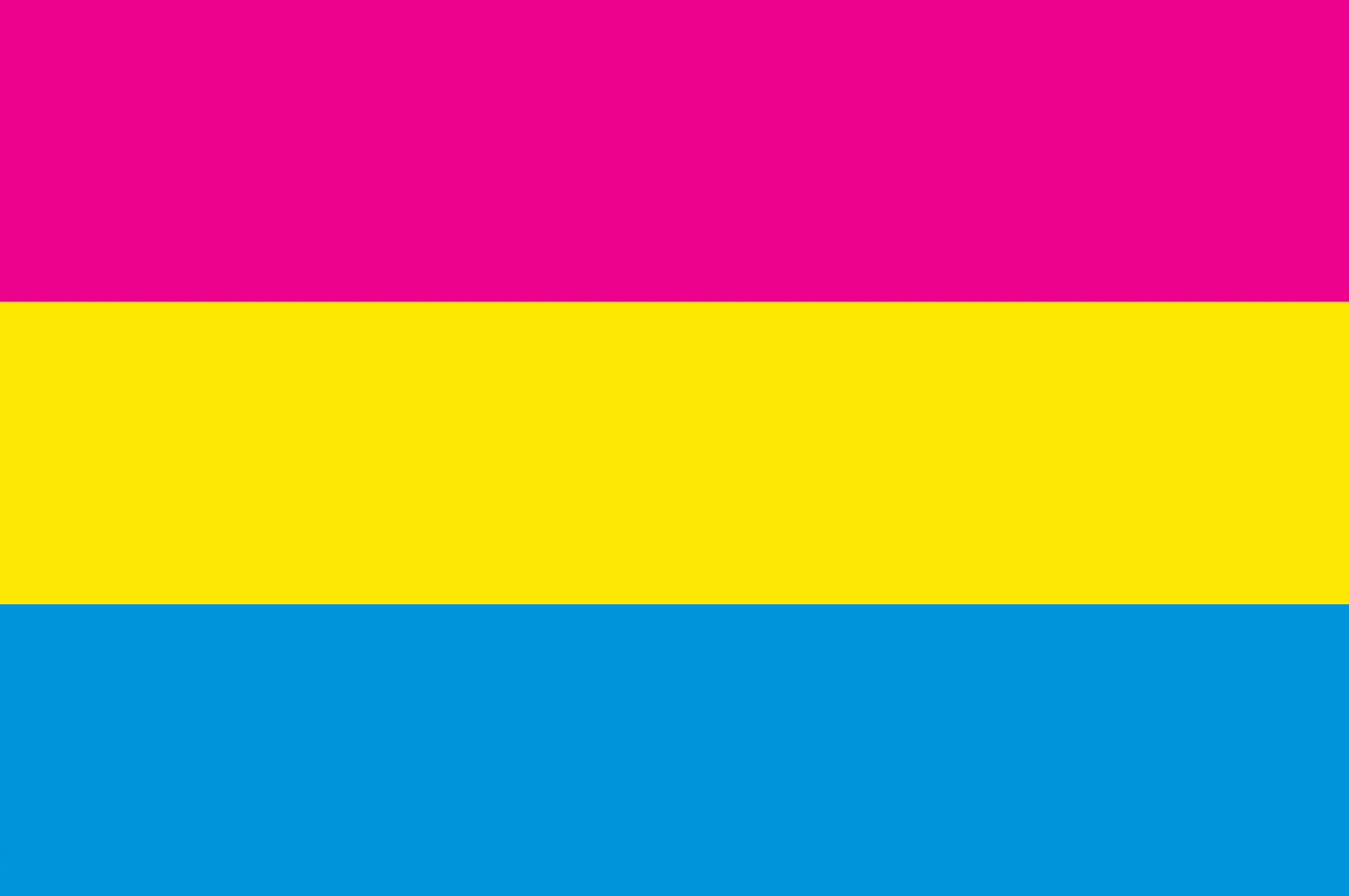
What Pride Flag Is Pink, Yellow, and Blue? The pansexual Pride flag contains three horizontal stripes: pink, yellow, and blue. If you're searching what pride flag is pink yellow and blue or pink yellow blue pride flag meaning, you're most likely referring to the pansexual flag. The pansexual flag promotes visibility and recognition of attraction across gender identities.
Pansexual Pride Flag Colors and Meanings
- Pink: Represents attraction to women.
- Yellow: Represents attraction to nonbinary and gender-diverse individuals.
- Blue: Represents attraction to men.
What Does Pansexual Mean?
Pansexuality is a sexual orientation that describes romantic, emotional, or sexual attraction to people regardless of gender. Pansexual individuals may experience attraction to men, women, nonbinary individuals, and people of other gender identities. Although pansexuality and bisexuality can overlap, each person determines which identity best describes their experiences.
What Do the Colors of the Genderqueer Pride Flag Mean?
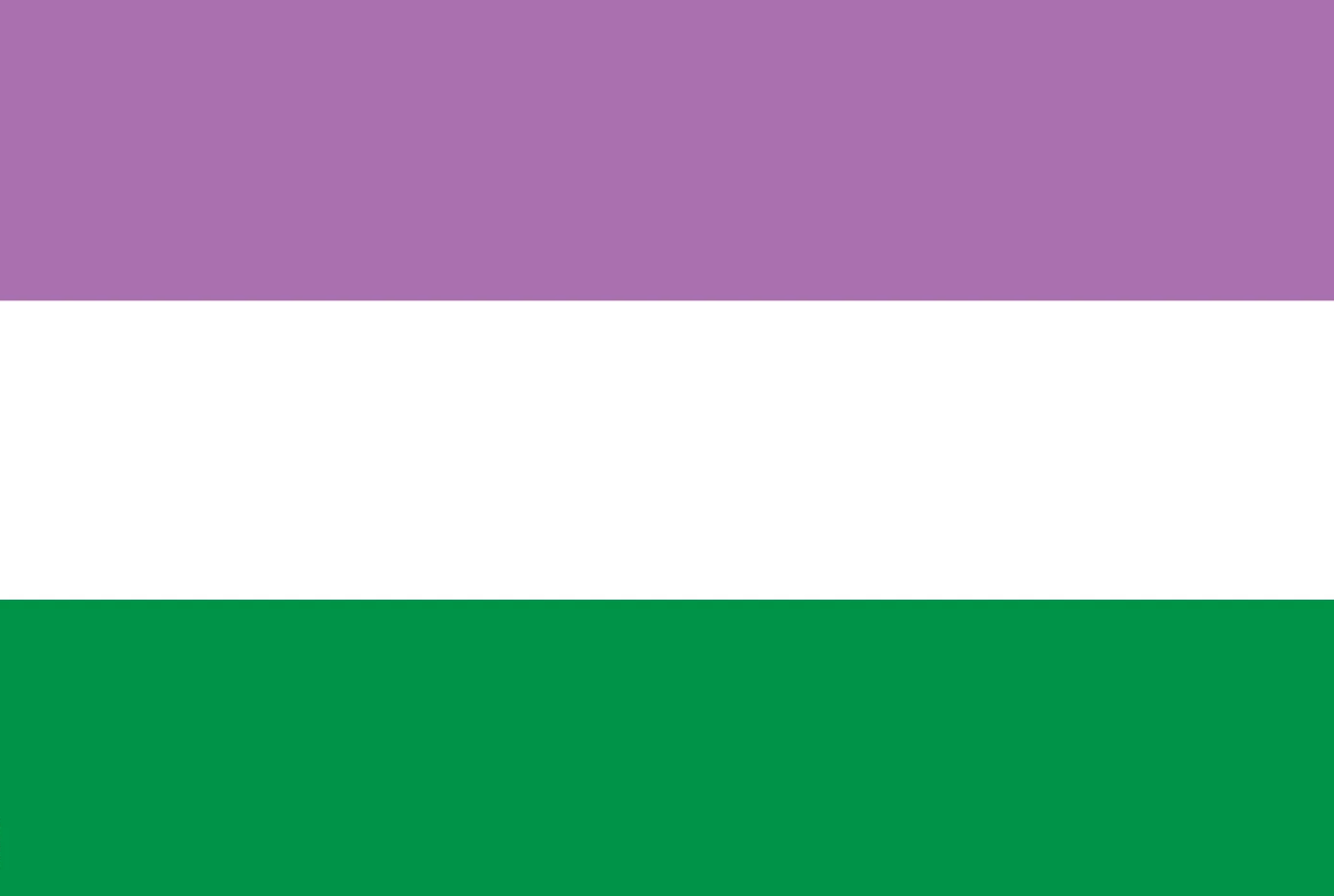
What is the pride flag with purple white and green? The genderqueer Pride flag features three horizontal stripes: lavender or purple, white, and green. These colors represent gender identities and expressions that exist outside traditional male and female expectations.
Genderqueer Pride Flag Colors and Meanings
- Lavender/Purple: Represents androgyny and queerness.
- White: Represents agender identity.
- Green: Represents identities outside the gender binary.
The genderqueer Pride flag was designed by Marilyn Roxie, with its widely recognized version finalized in 2011.
Genderqueer is a term for gender identities and expressions that do not conform to traditional gender expectations. The flag promotes gender diversity, visibility, and self-expression.
What Does Genderqueer Mean?
Genderqueer is a term describing individuals whose gender identity or expression exists outside traditional expectations of being exclusively male or female. Genderqueer individuals may identify with multiple genders, no gender, or a gender that changes over time. Some genderqueer individuals also identify as nonbinary, while others prefer genderqueer as their primary identity.
Genderqueer is an umbrella term that may describe people whose gender identity or expression does not fit traditional expectations of being exclusively male or female. Some genderqueer individuals identify as nonbinary, while others use genderqueer as their primary identity label. Understanding gender diversity can help promote acceptance, respectful communication, and healthier relationships.
What Do the Colors of the Lesbian Pride Flag Mean?
What Is the Purple, White, and Orange Pride Flag? If you're searching for a purple white orange pride flag, you may be referring to a variation of the lesbian Pride flag or another less commonly recognized LGBTQ+ identity flag.
Flag identification depends on the exact shades, number of stripes, and their arrangement.
The widely recognized modern lesbian Pride flag uses orange, white, and pink shades rather than a standard purple, white, and orange combination.
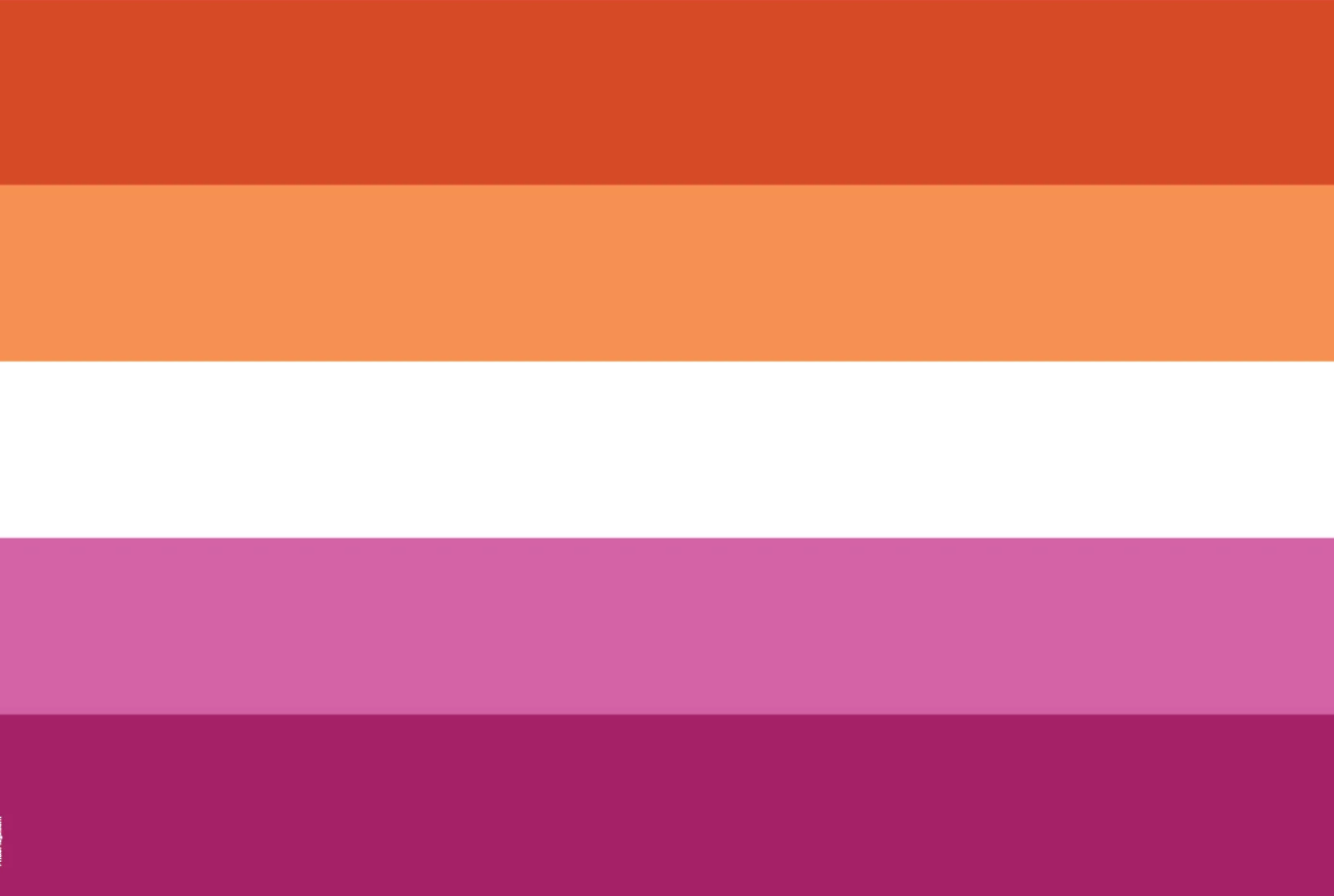
Lesbian Pride Flag Colors and Meanings
The seven-stripe orange-and-pink lesbian Pride flag commonly includes:
- Dark Orange: Gender nonconformity.
- Orange: Independence.
- Light Orange: Community.
- White: Unique relationships to womanhood.
- Light Pink: Serenity and peace.
- Pink: Love and sex.
- Dark Pink: Femininity.
A simplified five-stripe version is also widely used. The lesbian flag represents lesbian identity, community, visibility, and solidarity. Important: Purple, white, and orange alone are not enough to reliably identify one universally recognized Pride flag. The design and stripe order matter.
What Does Lesbian Mean?
Lesbian generally describes a woman who experiences romantic, emotional, or sexual attraction to other women. Some nonbinary individuals also identify as lesbian. Lesbian identity is part of the broader LGBTQ+ community and encompasses diverse experiences of attraction, relationships, and gender expression.
What Do the Colors of the Polysexual Pride Flag Mean?
What pride flag is pink green blue? The polysexual Pride flag contains three horizontal stripes: pink, green, and blue. If you're searching pride flag pink green blue, you're most likely referring to the polysexual flag.
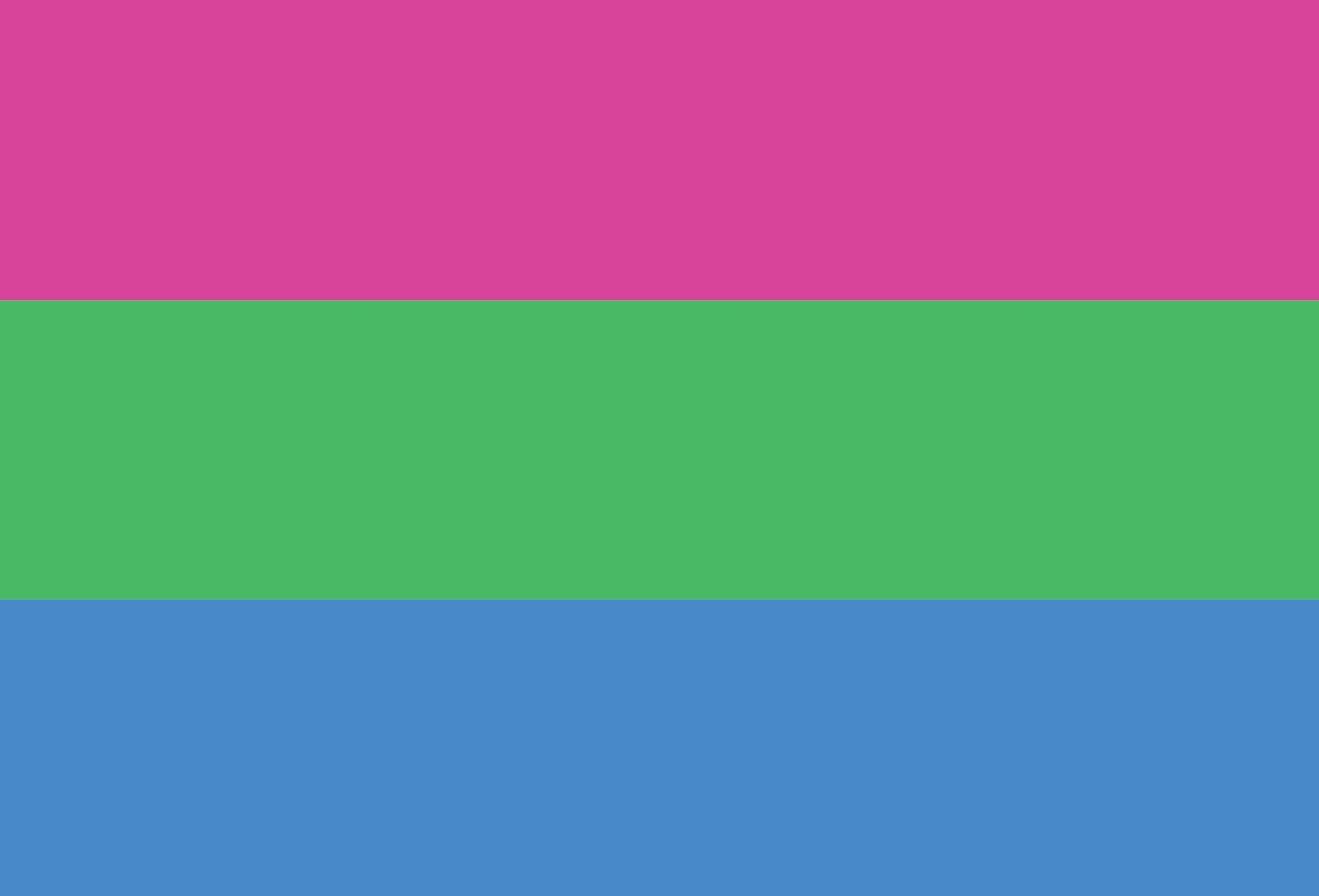
Polysexual Pride Flag Colors and Meanings
- Pink: Represents attraction to women.
- Green: Represents attraction to nonbinary people.
- Blue: Represents attraction to men.
What Does the Pink, Green, and Blue Pride Flag Mean? Polysexuality generally describes attraction to multiple genders, but not necessarily all genders. It can overlap with bisexuality and pansexuality, although individuals may identify differently. The polysexual Pride flag promotes visibility, inclusion, and recognition of diverse sexual orientations.
What Does Polysexual Mean?
Polysexuality is a sexual orientation describing attraction to multiple genders, but not necessarily all genders. Polysexual individuals may experience romantic, emotional, or sexual attraction to people of several different gender identities. Polysexuality can overlap with bisexuality and pansexuality, but these terms may hold different meanings for different individuals.
What Do the Colors of the Asexual Pride Flag Mean?
What do the black gray white and purple colors on the asexual Pride flag mean? The asexual Pride flag contains four horizontal stripes representing asexuality, the asexual spectrum, sexuality, and community. The asexual Pride flag contains four horizontal stripes: black, gray, white, and purple. Asexuality generally refers to experiencing little or no sexual attraction. Asexuality exists on a spectrum, and experiences vary among individuals.
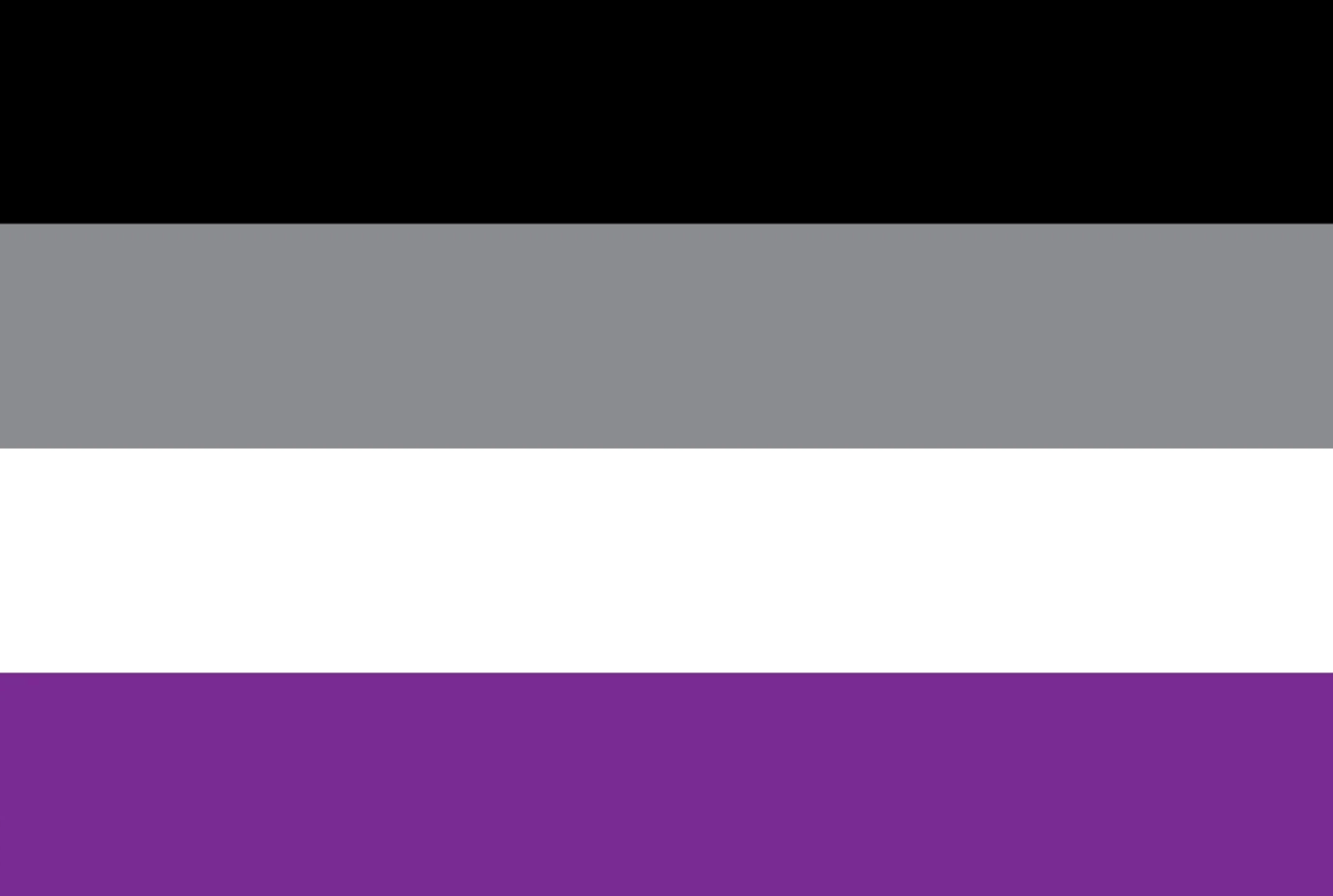
Asexual Pride Flag Colors and Meanings
- Black: Asexuality.
- Gray: Gray-asexuality and demisexuality.
- White: Non-asexual partners and allies.
- Purple: Community.
What Does Asexual Mean?
Asexuality is a sexual orientation characterized by experiencing little or no sexual attraction to others. Asexuality exists on a spectrum, and some individuals may experience occasional or limited sexual attraction. Asexual people can experience romantic attraction, develop meaningful relationships, and have different preferences regarding intimacy. Asexuality is not inherently a mental health condition and does not automatically indicate trauma, relationship difficulties, or a medical problem.
What Do the Colors of the Demisexual Pride Flag Mean?
What do the colors of the demisexual Pride flag represent? The demisexual flag features a black triangle alongside white, purple, and gray horizontal stripes.
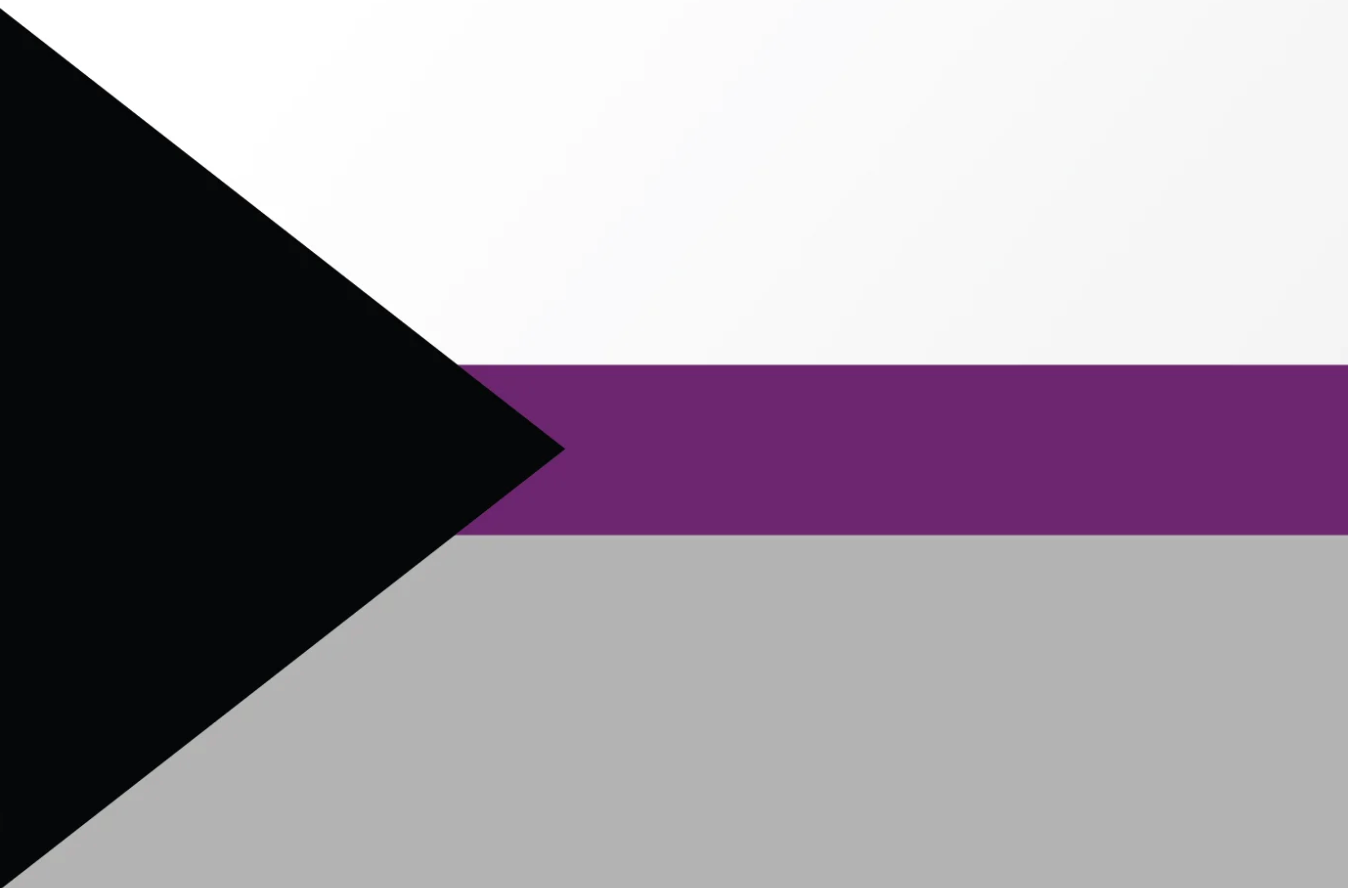
Demisexual Pride Flag Colors and Meanings
- Black: Represents asexuality.
- Gray: Represents the asexual spectrum, including demisexuality.
- White: Represents sexuality.
- Purple: Represents community.
The demisexual Pride flag increases visibility and recognition of experiences within the asexual spectrum. The demisexual Pride flag includes black, gray, white, and purple. Demisexuality describes people who typically experience sexual attraction only after developing a strong emotional connection.
What Does Demisexual Mean?
Demisexuality describes individuals who typically experience sexual attraction only after developing a strong emotional connection with another person. Demisexuality falls within the asexual spectrum and refers to how sexual attraction develops rather than someone's decision about when to engage in sexual activity.
What Do the Colors of the Nonbinary Pride Flag Mean?
What pride flag is yellow white purple and black? The nonbinary Pride flag contains four horizontal stripes: yellow, white, purple, and black. These colors represent gender identities outside the traditional male-female binary.
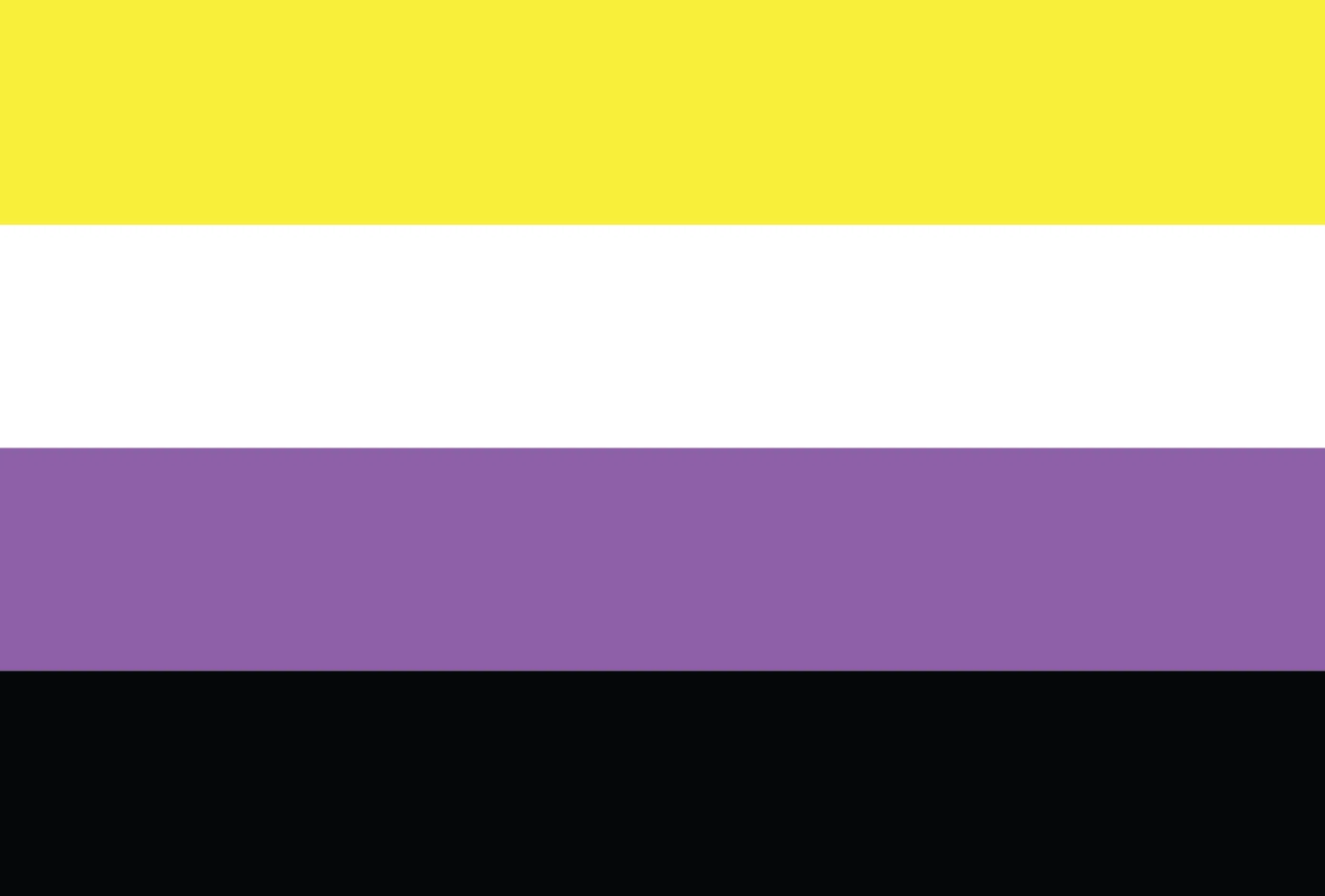
Nonbinary Pride Flag Colors and Meanings
- Yellow: Represents genders outside the traditional gender binary.
- White: Represents people who identify with many or all genders.
- Purple: Represents genders that combine or exist between male and female.
- Black: Represents people who identify as having no gender.
The nonbinary Pride flag was designed by Kye Rowan in 2014 to increase visibility for people whose gender identities are not exclusively male or female. The flag celebrates gender diversity, individuality, and inclusion. Nonbinary is an umbrella term describing gender identities that are not exclusively male or female. Some nonbinary individuals identify as transgender, while others do not. Gender identity is personal, and people may use different labels, pronouns, or expressions to describe themselves.
What Does Nonbinary Mean?
Nonbinary is an umbrella term for gender identities that do not fit exclusively within the traditional categories of male or female. Nonbinary individuals may identify with multiple genders, a gender between male and female, or a gender outside the binary entirely. Some nonbinary people identify as transgender, while others do not.
What Do the Colors of the Intersex Pride Flag Mean?
What pride flag is yellow with a purple circle? The intersex Pride flag features a yellow background with a purple circle in the center. Unlike striped Pride flags, this design emphasizes bodily autonomy, wholeness, and intersex visibility.
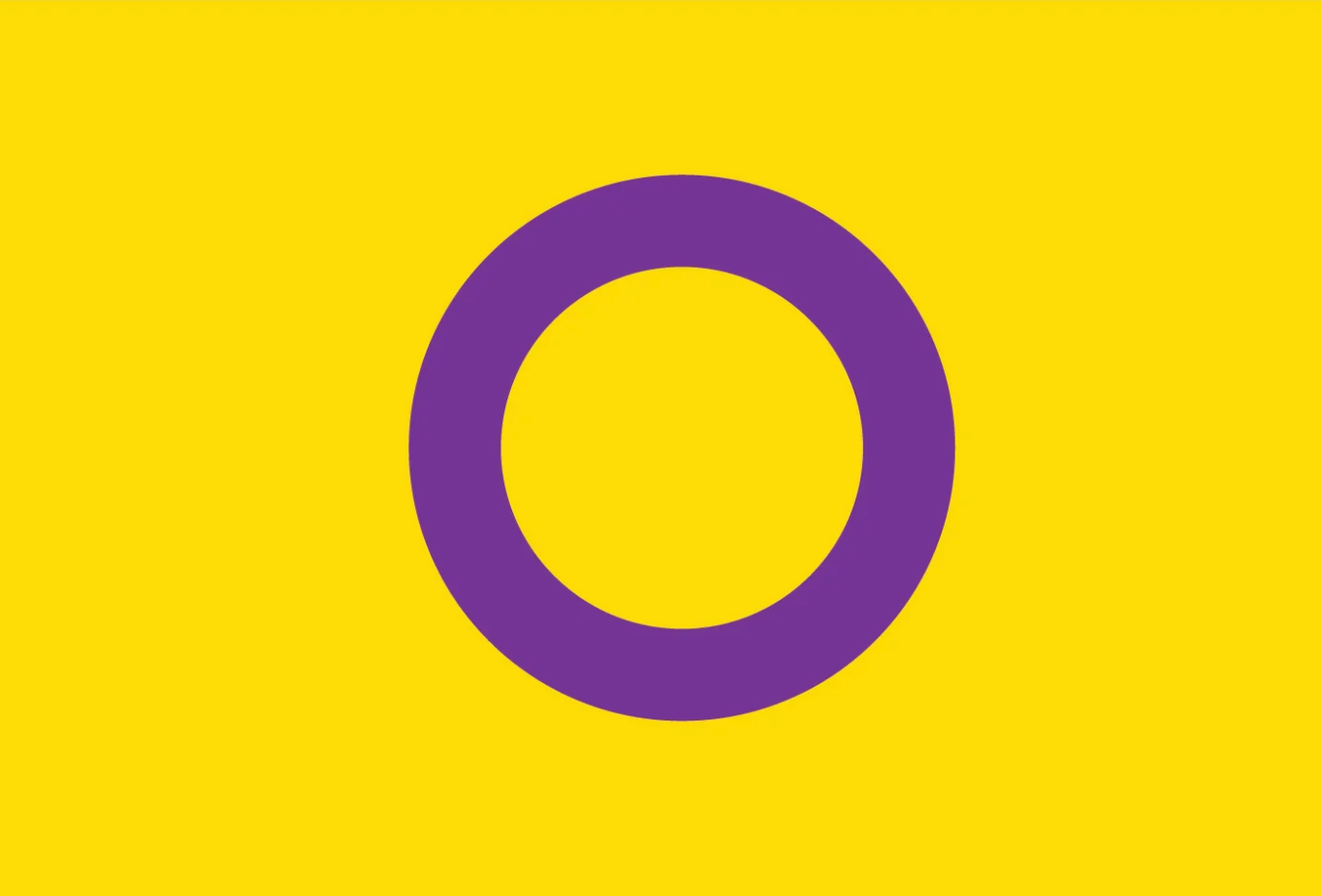
Intersex Pride Flag Colors and Meanings
- Yellow: A color chosen to avoid traditional gender associations.
- Purple: Represents a color outside conventional pink-and-blue gender stereotypes.
- Purple Circle: Represents wholeness, completeness, and bodily autonomy.
The intersex Pride flag was created in 2013 by Morgan Carpenter of Intersex Human Rights Australia.
Intersex describes people born with sex characteristics that do not fit typical definitions of male or female bodies. The flag promotes intersex awareness, dignity, human rights, and acceptance.
What Does Intersex Mean?
Intersex is an umbrella term describing individuals born with sex characteristics, such as chromosomes, hormones, reproductive anatomy, or genital characteristics, that do not fit typical definitions of male or female bodies. Intersex variations are naturally occurring aspects of human biological diversity. Being intersex is different from gender identity and sexual orientation. Intersex traits are not the same as sexual orientation or gender identity. The intersex Pride flag emphasizes bodily autonomy, dignity, and human rights.
What Do the Colors of the Progress Pride Flag Mean?
What pride flag is yellow with a purple circle? The intersex Pride flag features a yellow background with a purple circle in the center. Unlike striped Pride flags, this design emphasizes bodily autonomy, wholeness, and intersex visibility.The Progress Pride flag was designed by Daniel Quasar in 2018. It builds upon the traditional rainbow Pride flag by incorporating additional colors that emphasize inclusion and visibility for marginalized LGBTQ+ communities.
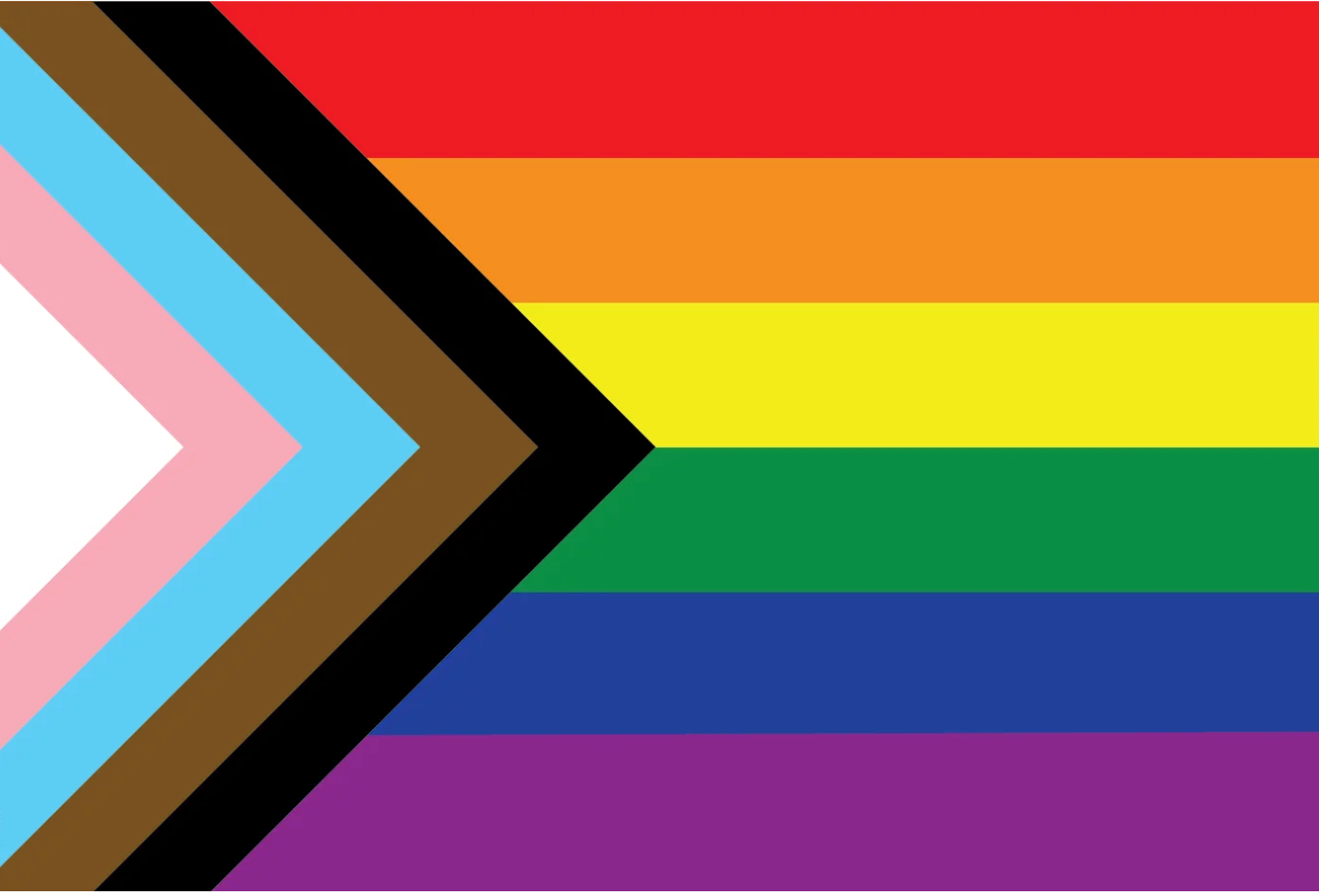
Progress Pride Flag Colors and Meanings
- Red: Life.
- Orange: Healing.
- Yellow: Sunlight.
- Green: Nature.
- Blue: Serenity.
- Purple: Spirit.
- Black and Brown: Represent LGBTQ+ people of color, with black also acknowledging people living with HIV/AIDS and those lost to the disease.
- Light Blue, Pink, and White: Represent the transgender community.
The additional colors appear in a chevron pointing toward the center of the flag. The arrow-like design represents forward movement while acknowledging that progress toward equality and inclusion remains ongoing.
Intersex-Inclusive Progress Pride Flag
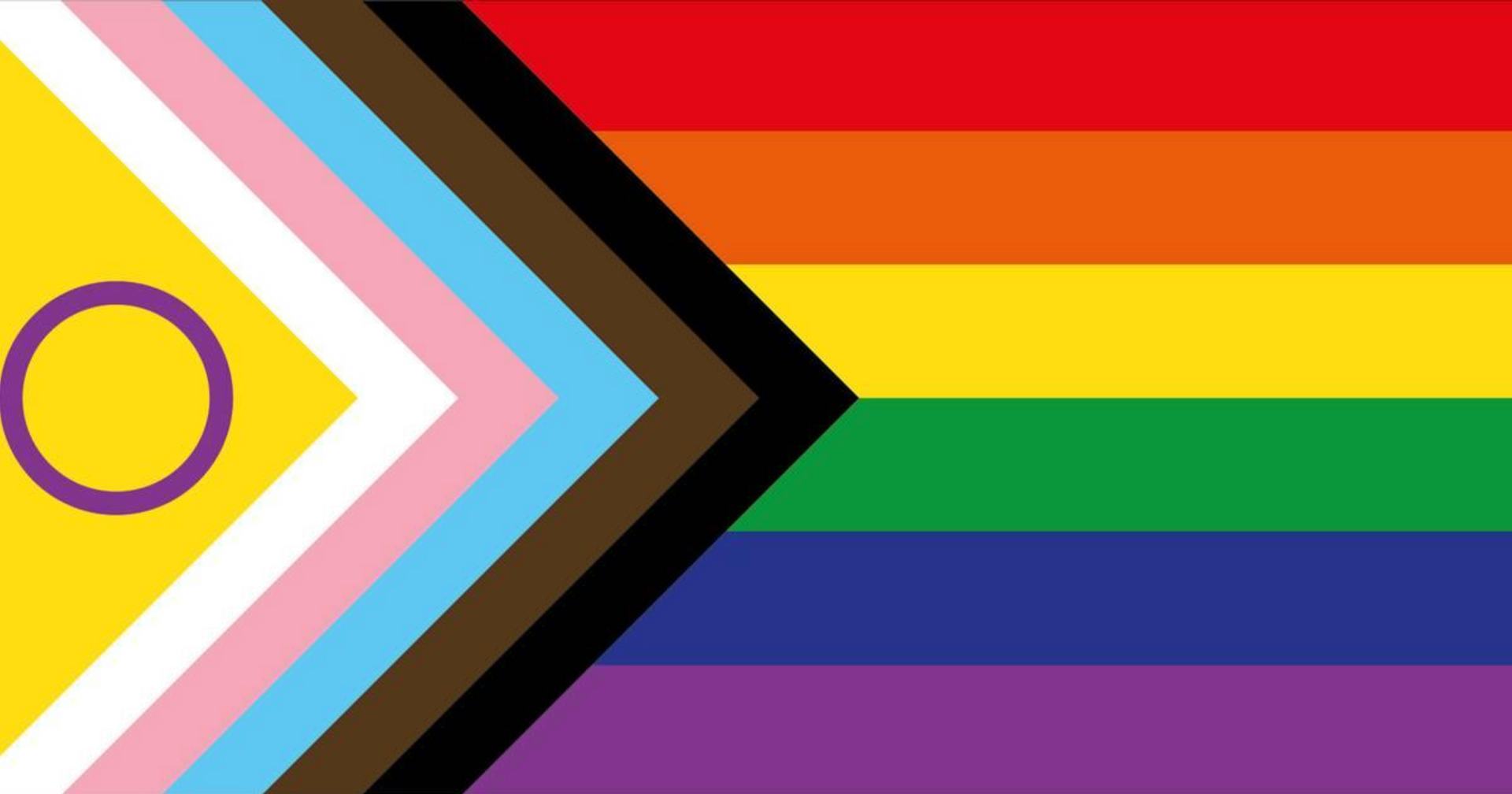
An updated version, created by Valentino Vecchietti in 2021, adds the intersex flag's yellow triangle and purple circle.
This design further emphasizes intersex visibility and inclusion within the broader LGBTQIA2S+ community.
What Do the Colors of the Philadelphia Pride Flag Mean?
What pride flag has black and brown stripes above the rainbow? The Philadelphia Pride flag contains the traditional six rainbow colors with two additional stripes, black and brown, representing racial inclusion and diversity within LGBTQ+ communities. Introduced in Philadelphia in 2017, this flag emphasizes the importance of racial inclusion, representation, and equality within LGBTQ+ communities.
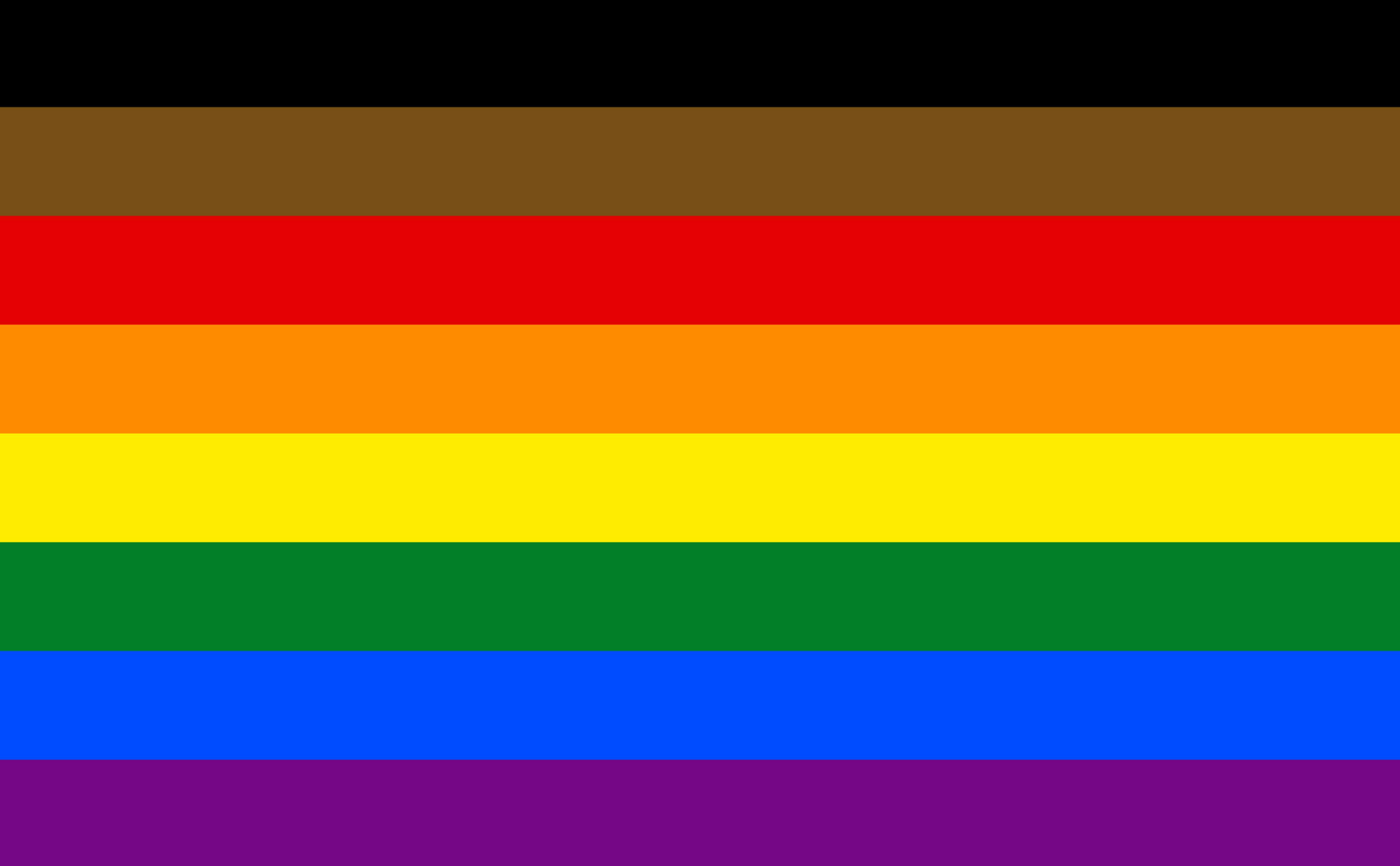
Philadelphia Pride Flag Colors and Meanings
- Black: Highlights the visibility and experiences of Black LGBTQ+ individuals.
- Brown: Highlights the inclusion and experiences of LGBTQ+ people of color.
- Red: Represents life.
- Orange: Represents healing.
- Yellow: Represents sunlight.
- Green: Represents nature.
- Blue: Represents serenity.
- Purple: Represents spirit.
What Is the Queer People of Color Pride Flag?
What is the Queer People of Color Pride flag? The QPOC Pride flag represents LGBTQ+ people of color and highlights the intersection of race, ethnicity, sexual orientation, gender identity, and community experiences.
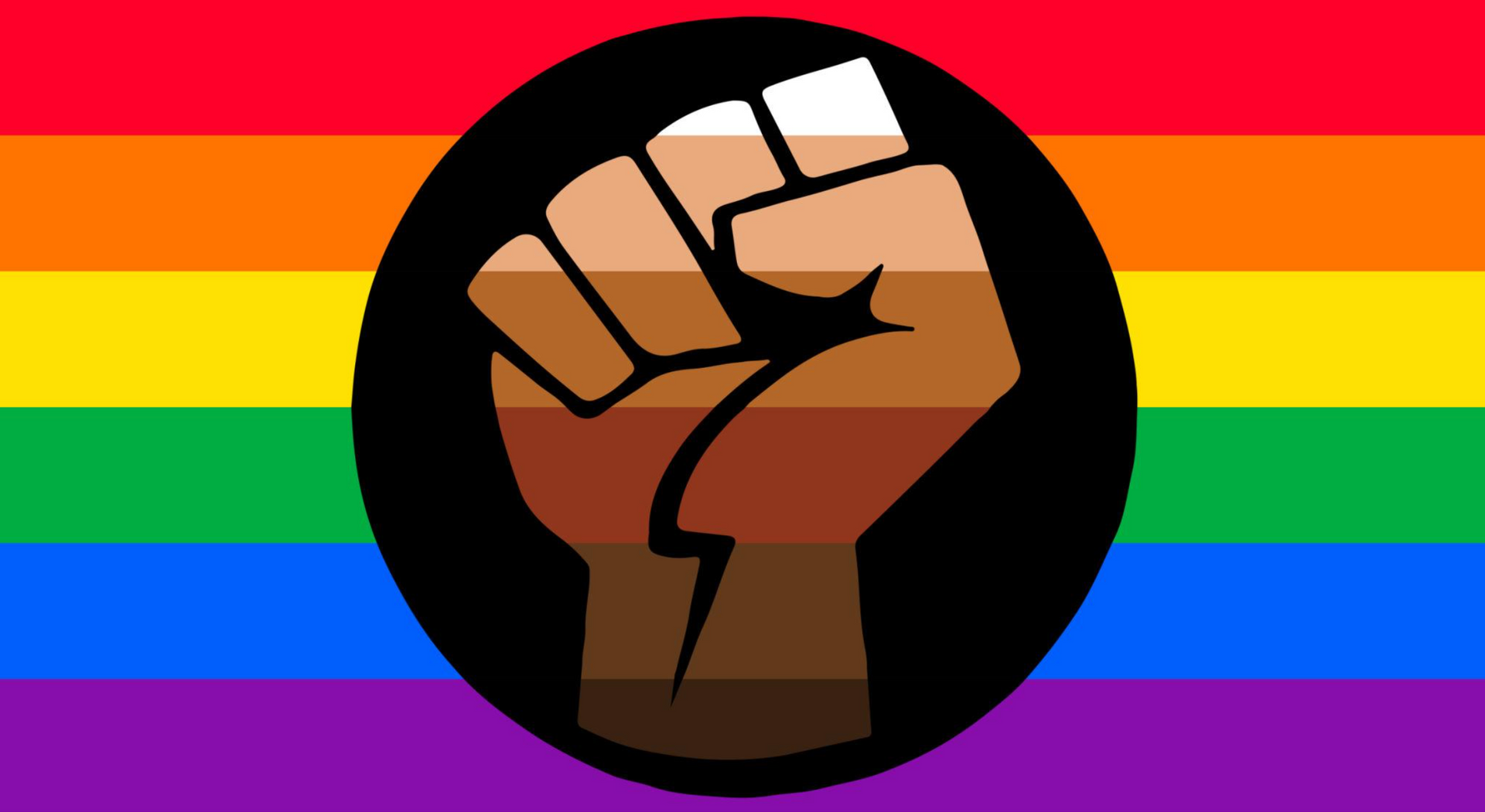
The Queer People of Color (QPOC) Pride flag is associated with the visibility, experiences, and solidarity of LGBTQ+ people of color. One widely shared design incorporates the rainbow Pride flag with a raised fist in varying skin tones. The raised fist is a symbol of resistance, empowerment, solidarity, and social justice. QPOC representation highlights the ways race, ethnicity, gender identity, sexual orientation, and social experiences can intersect. There is no single universally adopted QPOC flag design, and meanings may vary across versions.
What Do the Colors of the Gay Men's Pride Flag Mean?
What pride flag is green white blue and purple? The gay men's Pride flag features shades of green, teal, white, blue, and purple. This flag provides specific visibility and representation for gay men within the LGBTQ+ community.
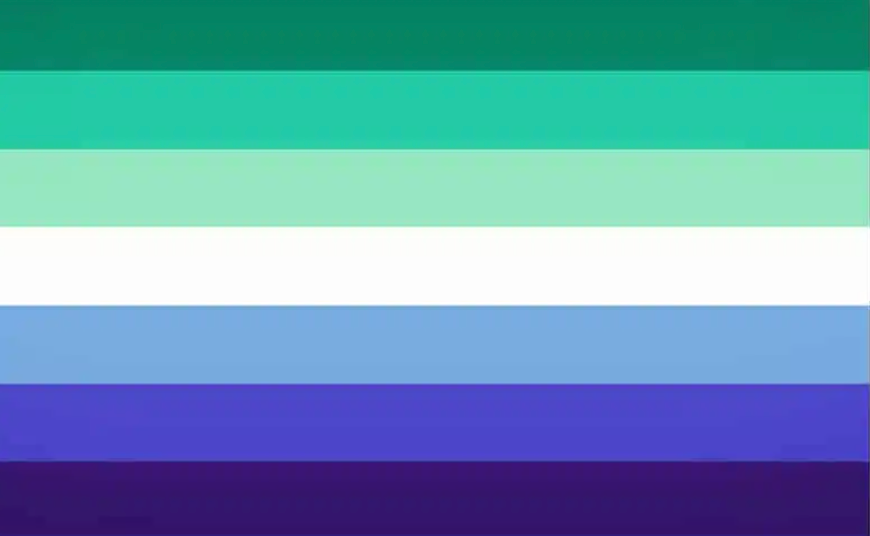
In addition to the traditional rainbow Pride flag, there is a specific gay men's Pride flag that features shades of green, white, blue, and purple. A commonly used seven-stripe version includes green and teal shades at the top, a white middle stripe, and blue-to-purple shades at the bottom. This flag is intended to provide specific visibility for gay men while remaining connected to the broader LGBTQ+ community.
Gay Men's Pride Flag Colors and Meanings
Interpretations vary, but commonly associated themes include:
- Green and Teal: Community, healing, and growth.
- White: Inclusion and diversity of experiences.
- Blue and Purple: Love, individuality, and shared identity.
What Does Gay Mean?
Gay generally describes someone who experiences romantic, emotional, or sexual attraction to people of the same gender. The term is commonly associated with men who are attracted to men, although people of other genders may also use it. Gay identity is one of the many sexual orientations represented within the LGBTQ+ community.
Why Are There So Many Different LGBTQ+ Pride Flags?
Different Pride flags exist because the LGBTQIA2S+ community includes many sexual orientations, gender identities, and lived experiences. While the rainbow Pride flag represents the broader LGBTQ+ community, individual flags provide additional opportunities for recognition and representation. Although flags can be meaningful symbols, individuals do not need to use a Pride flag or adopt a particular label to validate their identity.
Pride flags can help individuals:
- Express Identity: Communicate their sexual orientation, gender identity, or community affiliation.
- Build Community: Connect with others who share similar experiences.
- Increase Visibility: Promote awareness of identities that may be misunderstood or overlooked.
- Celebrate Diversity: Recognize the wide range of experiences within LGBTQ+ communities.
- Promote Acceptance: Encourage respect, inclusion, and understanding.
- Support Belonging: Help individuals feel represented and connected.
- Advocate for Equality: Highlight the importance of dignity, safety, and equal rights.
How Are LGBTQ+ Identity, Acceptance, and Mental Health Connected?
Sexual orientation and gender identity are natural aspects of human diversity and are not mental health disorders. However, LGBTQIA2S+ individuals may experience additional stress related to discrimination, stigma, rejection, harassment, or a lack of affirming support. These experiences can contribute to emotional distress and mental health challenges.
Common Mental Health Concerns Among LGBTQIA2S+ Individuals
- Anxiety: Worry about acceptance, safety, relationships, or discrimination.
- Depression: Persistent sadness, hopelessness, or isolation.
- Identity Exploration: Questions about sexual orientation, gender identity, or self-expression.
- Family Rejection: Conflict, invalidation, or lack of support from family members.
- Relationship Challenges: Communication difficulties, boundaries, intimacy, and trust.
- Minority Stress: Chronic stress associated with stigma, prejudice, and discrimination.
- Trauma: Experiences involving bullying, harassment, discrimination, or abuse.
- Social Isolation: Difficulty finding supportive relationships or affirming communities.
- Coming-Out Stress: Navigating decisions about when, how, and whether to disclose one's identity.
- Low Self-Esteem: Difficulty developing confidence or self-acceptance.
Not every LGBTQ+ individual experiences these concerns, and many find meaningful support, resilience, connection, and pride in their identities. Research on minority stress helps explain how discrimination and social stigma can affect psychological well-being. Supportive relationships, community belonging, and access to affirming mental health care can serve as important protective factors.
How Can LGBTQIA2S+-Affirming Therapy Help?
LGBTQIA2S+-affirming therapy provides a supportive, nonjudgmental environment where individuals can explore emotional concerns, relationships, identity, and personal goals. Affirming therapy recognizes that diverse sexual orientations and gender identities are not problems to be corrected or changed. Instead, therapy focuses on understanding each person's experiences, strengthening coping skills, and supporting emotional well-being. Therapy can also support family members and partners who want to improve communication, understanding, and acceptance.
LGBTQ+-Affirming Therapy Can Help With:
- Exploring sexual orientation and gender identity.
- Developing self-acceptance and confidence.
- Managing anxiety, depression, and stress.
- Processing discrimination, rejection, or trauma.
- Navigating coming out and identity disclosure.
- Establishing healthy boundaries.
- Improving romantic relationship communication.
- Addressing family conflict and rejection.
- Developing coping strategies for minority stress.
- Building supportive relationships and community connections.
- Strengthening emotional regulation.
- Navigating major life transitions.
LGBTQIA2S+-Affirming Therapy in Montclair, NJ
At Mountains Therapy, we are proud to be an LGBTQIA2S+-owned therapy practice serving individuals, couples, and families in Montclair, New Jersey, and throughout the state through online therapy. Our goal is to provide compassionate, inclusive, and affirming mental health care that respects each client's identity, experiences, and personal goals. We believe everyone deserves access to mental health care where they feel respected, understood, and supported.
Our Therapy Services Include:
- LGBTQIA2S+ Affirming Therapy in NJ: Support for LGBTQ+ identity exploration, anxiety, depression, relationships, trauma, and self-acceptance.
- Individual Therapy in Montclair, NJ: Personalized mental health counseling for emotional well-being, personal growth, stress, and life transitions.
- Couples Therapy in Montclair, NJ: Support for LGBTQ+ couples and partners navigating communication, intimacy, boundaries, conflict, and relationship concerns.
- Family Therapy in Montclair, NJ: Helping families strengthen communication, navigate differences, and build healthier relationships.
- Online Therapy in New Jersey: Convenient virtual mental health counseling for individuals throughout NJ.
You Are Seen, Valued, and Supported
Pride flags are more than colorful symbols. They represent the diversity, history, experiences, and resilience of LGBTQIA2S+ communities. Whether you identify as lesbian, gay, bisexual, transgender, queer, questioning, intersex, asexual, nonbinary, pansexual, genderqueer, or another identity, your experiences and identity deserve respect.
At Mountains Therapy, we recognize that identity exploration, relationships, self-acceptance, and mental health are deeply personal experiences. You do not need to have every answer about your identity, relationships, or future to seek support. Our therapists are here to help you navigate challenges, strengthen relationships, and work toward your mental health goals in an affirming environment.
What Does LGBTQ+-Affirming Mean?
LGBTQ+-affirming describes environments, relationships, and services that recognize, respect, and support diverse sexual orientations and gender identities. In mental health care, LGBTQ+-affirming therapy focuses on emotional well-being, self-acceptance, healthy relationships, and personal goals without treating someone's LGBTQ+ identity as a disorder or something that needs to be changed.
Start LGBTQIA2S+-Affirming Therapy in Montclair, NJ
If you're looking for LGBTQ+ therapy in Montclair, NJ, LGBTQIA2S+-affirming counseling, individual therapy, couples counseling, family therapy, or online therapy in New Jersey, Mountains Therapy is here to support you.
We offer in-person therapy in Montclair and convenient virtual therapy throughout New Jersey.
Frequently Asked Questions About Pride Flags and Their Colors
What Do All the Colors of the Pride Flag Mean?
The traditional rainbow Pride flag includes six colors: red for life, orange for healing, yellow for sunlight, green for nature, blue for serenity, and purple for spirit. The original 1978 design included eight colors, adding hot pink for sex and turquoise for magic and art, with indigo representing serenity.
What Do the Colors on the Bisexual Flag Mean?
The bisexual Pride flag contains pink, purple, and blue. Pink represents same-gender attraction, blue represents different-gender attraction, and purple represents attraction across genders and the overlap between these experiences.
What Do the Colors on the Bi Flag Mean?
The bi flag has three horizontal stripes: pink, purple, and blue. These colors symbolize bisexual identity and attraction to more than one gender.
What Does the Colors on the Bi Flag Mean?
The bisexual flag's pink, purple, and blue stripes represent the diversity of bisexual attraction. Purple symbolizes the overlap of attraction represented by the pink and blue stripes.
What Colors Are the Bisexual Flag?
The bisexual Pride flag is pink on top, purple in the middle, and blue on the bottom. The purple stripe is narrower than the pink and blue stripes.
What Pride Flag Is Blue, Pink, and White?
The transgender Pride flag features light blue, pink, and white stripes. It represents transgender individuals and gender diversity.
What Pride Flag Is Pink, Yellow, and Blue?
The pansexual Pride flag has pink, yellow, and blue horizontal stripes. It represents pansexual identity and attraction regardless of gender.
What Is the Pink Yellow Blue Pride Flag Meaning?
Pink commonly represents attraction to women, yellow represents attraction to nonbinary and gender-dverse people, and blue represents attraction to men. Together, the colors symbolize pansexual identity.
What Is the Pride Flag With Purple, White, and Green?
The genderqueer Pride flag contains lavender or purple, white, and green horizontal stripes. These represent androgyny or queerness, agender identity, and identities outside the gender binary.
What Is the Purple White Orange Pride Flag?
There is no single universally recognized LGBTQ+ Pride flag identified only by purple, white, and orange. Some lesbian Pride flag variations feature orange, white, and pink shades that may appear purple in certain images. Identifying the exact flag requires examining its design and stripe arrangement.
What Is the Pride Flag With Pink, Green, and Blue?
The polysexual Pride flag features pink, green, and blue stripes. These commonly represent attraction to women, nonbinary people, and men.
What Do the Gay Pride Flag Colors Mean?
The six-color rainbow Pride flag represents life, healing, sunlight, nature, serenity, and spirit. It is widely recognized as a symbol of LGBTQ+ Pride, visibility, and community.
What Color Symbolizes Pride?
The rainbow is the most widely recognized symbol of LGBTQ+ Pride. No single color represents every LGBTQ+ identity, although individual colors have specific meanings within different Pride flags.
How Many Colors Are in the Pride Rainbow?
The modern rainbow Pride flag has six colors. Gilbert Baker's original 1978 Pride flag had eight colors.
What Is the Difference Between the Bisexual and Pansexual Pride Flags?
The bisexual flag is pink, purple, and blue, while the pansexual flag is pink, yellow, and blue. Both represent experiences of attraction involving more than one gender, although people may use these identity labels differently.
What Is the Difference Between the Rainbow Pride Flag and the Progress Pride Flag?
The rainbow Pride flag features six colors representing the broader LGBTQ+ community. The Progress Pride flag adds a chevron with black, brown, light blue, pink, and white to emphasize the visibility and inclusion of LGBTQ+ people of color and transgender individuals.
Can LGBTQ+ Therapy Help With Identity Exploration?
Yes. LGBTQ+-affirming therapy can provide a supportive space to explore sexual orientation, gender identity, relationships, self-esteem, family concerns, and emotional well-being without pressure to adopt a particular identity or label.
Where Can I Find LGBTQIA2S+-Affirming Therapy in Montclair, NJ?
Mountains Therapy offers LGBTQIA2S+-affirming individual therapy, couples counseling, family therapy, and online therapy in New Jersey. Our practice supports clients experiencing anxiety, depression, relationship concerns, identity exploration, trauma, and life transitions.
What is the color for bisexuality?
Bisexuality is represented by pink, purple, and blue. These colors symbolize same-gender attraction, different-gender attraction, and their overlap.
What is the colors for bisexual?
The bisexual Pride flag features pink, purple, and blue horizontal stripes, representing attraction to more than one gender.
What color represents pride?
The rainbow represents LGBTQ+ Pride, symbolizing diversity, equality, acceptance, and inclusion.
Bisexual pride flag colors?
The bisexual Pride flag features pink for same-gender attraction, purple for overlapping attractions, and blue for different-gender attraction.
Bisexual flag colors meaning?
Pink represents same-gender attraction, purple symbolizes overlapping attractions, and blue represents attraction to different genders.
Why does the pride flag have 6 colors?
The original 1978 Pride flag had eight colors. Hot pink and turquoise were later removed for practical production and display reasons, creating the familiar six-color design.
Gay pride flag colors meaning?
The six rainbow colors represent life (red), healing (orange), sunlight (yellow), nature (green), serenity (blue), and spirit (purple).
Sexualitys and there meaning and flags?
Pride flags represent different sexual orientations and gender identities, including bisexuality, pansexuality, asexuality, transgender identity, and nonbinary identity.
Bi pride flag colors?
The bi Pride flag uses pink, purple, and blue to represent different aspects of bisexual attraction and identity.
What flag is purple white and green?
The genderqueer Pride flag features purple, white, and green, representing androgyny, agender identity, and genders outside the binary.
Genderfluid flag color meaning?
The genderfluid flag features pink (femininity), white (lack of gender), purple (combined genders), black (genders outside the binary), and blue (masculinity).
What color represents diversity?
The rainbow commonly represents diversity because its multiple colors symbolize different identities, experiences, and communities.
Pink blue yellow pride flag?
The pansexual Pride flag features pink, yellow, and blue stripes, representing attraction to women, nonbinary individuals, and men.
What pride flag is pink purple and blue?
The bisexual Pride flag features pink, purple, and blue stripes, representing attraction to more than one gender.
All pink pride flag?
Older lesbian Pride flag designs feature several shades of pink with a white stripe. The modern lesbian flag combines orange, white, and pink.
Bisexual colors flag?
The bisexual flag features pink, purple, and blue, symbolizing bisexual attraction, visibility, and identity.
Asexual flag color?
The asexual Pride flag features black, gray, white, and purple, representing asexuality, the asexual spectrum, allies, and community.
Pride flag bi colors?
The bisexual Pride flag uses pink, purple, and blue to symbolize same-gender attraction, different-gender attraction, and their overlap.
What pride flag is yellow white purple and black?
The nonbinary Pride flag features yellow, white, purple, and black, representing identities outside the gender binary, multiple genders, combined genders, and the absence of gender.
Purple and green pride flag?
The genderqueer Pride flag uses purple, white, and green to represent androgyny, agender identity, and genders outside the binary.
Asexual flag colors meaning?
Black represents asexuality, gray represents the asexual spectrum, white represents non-asexual partners and allies, and purple represents community.
What are the bi flag colours?
The bisexual Pride flag contains pink, purple, and blue stripes representing attraction to more than one gender.
Genderfluid color meaning?
Pink represents femininity, white represents a lack of gender, purple represents combined genders, black represents genders outside the binary, and blue represents masculinity.
What are bisexual colors?
Bisexual colors are pink, purple, and blue, representing different aspects of attraction to more than one gender.
What do the colors on the pride flag mean?
Red represents life, orange healing, yellow sunlight, green nature, blue serenity, and purple spirit.
ELEVATE YOUR MENTAL HEALTH BLOG
Mountains Therapy