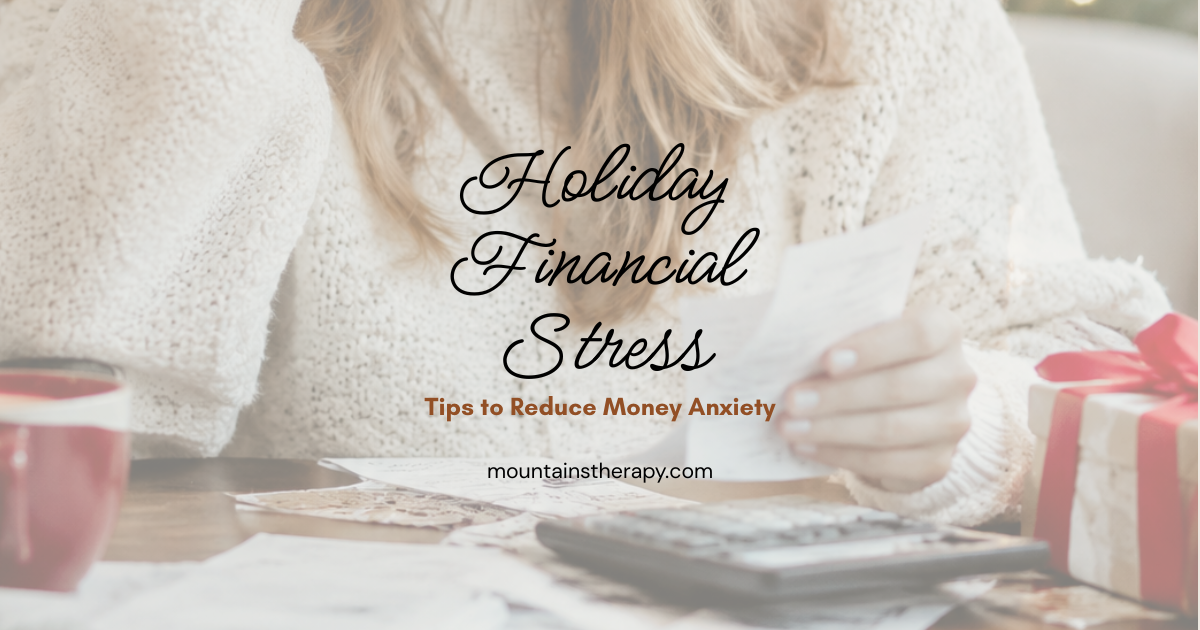
How to Manage Holiday Financial Stress
10 Tips to Reduce Money Anxiety
In This Blog, You'll Learn:
- Why the holidays cause financial stress and money anxiety
- How financial stress affects your mental health and relationships
- 10 ways to manage holiday spending and reduce financial anxiety
- How to set financial boundaries with family and friends
- How to enjoy Christmas and other holidays on a limited budget
- How to cope with holiday depression, debt, and financial guilt
- How therapy can help with financial stress and relationship conflict
What Is Holiday Financial Stress and Money Anxiety?
Holiday financial stress is the emotional pressure people experience when trying to balance holiday spending, family expectations, and everyday financial responsibilities. For many individuals, financial anxiety increases during Thanksgiving, Christmas, Hanukkah, and New Year's because of gift-giving expectations, travel expenses, holiday meals, and social obligations.
Money worries can also trigger feelings of guilt, shame, sadness, and inadequacy, especially when someone feels unable to provide the holiday experience they want for themselves or their family. Understanding how holiday spending affects your mental health is an important first step toward developing healthier financial boundaries, reducing anxiety, and creating more manageable holiday expectations.
Common signs of holiday financial stress include:
- Worrying excessively about Christmas gifts and holiday expenses
- Feeling guilty about not being able to afford presents
- Experiencing anxiety when checking bank accounts or credit card balances
- Arguing with a partner about holiday spending
- Feeling pressured to spend money to meet family expectations
- Avoiding holiday gatherings because of financial difficulties
- Experiencing sadness, irritability, or emotional exhaustion
- Losing sleep over holiday debt and upcoming bills
Why Do the Holidays Cause Financial Stress?
Financial stress during the holidays often comes from the pressure to meet social expectations while balancing personal financial responsibilities. Holiday advertising, social media, family traditions, and gift-giving expectations can make people feel obligated to spend more money than they can comfortably afford. Even individuals who generally manage their finances well may experience increased anxiety about money during the holiday season.
Common causes of holiday financial stress include:
- Christmas shopping and expensive gift expectations
- Thanksgiving and holiday meal expenses
- Traveling to visit family and friends
- Credit card debt and holiday overspending
- Rising costs of groceries, housing, and everyday necessities
- Financial pressure from family members
- Comparing your holiday celebrations to others on social media
- Feeling guilty about not being able to afford gifts
- Supporting children or extended family members financially
- Worrying about paying bills after the holidays
How Does Financial Stress Affect Mental Health?
Financial stress and mental health are closely connected. When individuals constantly worry about money, their bodies and minds may remain in a heightened state of stress. During the holidays, financial anxiety can become particularly overwhelming because financial concerns are often combined with family expectations, social obligations, and emotional pressures.
Chronic money stress can contribute to anxiety symptoms, depressive symptoms, relationship conflict, and difficulty concentrating. Financial worries may also interfere with sleep, decision-making, and the ability to enjoy everyday activities.
Common emotional and physical symptoms of financial stress include:
- Excessive worrying about money and expenses
- Feeling anxious when checking bank accounts or credit card balances
- Difficulty sleeping because of financial concerns
- Irritability, frustration, or emotional exhaustion
- Feeling guilty or ashamed about financial difficulties
- Avoiding conversations about money
- Arguments with a partner or family members about spending
- Difficulty concentrating or making financial decisions
- Feeling overwhelmed by holiday expectations
- Withdrawing from holiday activities because of financial pressure
10 Ways to Manage Holiday Financial Stress and Money Anxiety
Managing holiday financial stress involves more than creating a budget. It also requires recognizing emotional triggers, challenging unrealistic expectations, communicating financial boundaries, and prioritizing your mental health. The following 10 holiday stress management tips can help you reduce financial anxiety and approach the season with greater confidence.
1. Create a Realistic Holiday Budget
One of the most effective ways to reduce holiday financial stress is to establish a realistic spending plan before purchasing gifts, booking travel, or committing to celebrations. A holiday budget can help you understand what you can comfortably afford without sacrificing essential financial responsibilities.
When creating your holiday spending budget, consider:
- Determining how much money you can realistically spend
- Prioritizing rent, utilities, groceries, and essential expenses
- Setting spending limits for Christmas gifts and holiday activities
- Accounting for travel, decorations, and holiday meals
- Avoiding unnecessary credit card debt
- Tracking holiday purchases to prevent overspending
2. Set Healthy Financial Boundaries With Family and Friends
Financial boundaries are an important part of protecting your mental health during the holidays. However, saying no to expensive gifts, family trips, or holiday gatherings can be difficult, especially when you worry about disappointing loved ones. Setting financial boundaries does not mean you care less about your relationships. It means recognizing your financial limitations and communicating them respectfully.
Examples of healthy financial boundaries include:
- "I'm keeping my holiday spending within a smaller budget this year."
- "I'd love to celebrate together, but I can't afford to travel this holiday season."
- "Can we set a spending limit for our gift exchange?"
- "I'm focusing on paying down debt, so I won't be purchasing expensive gifts."
- "I'd rather spend quality time together than exchange presents."
3. Stop Comparing Your Holiday Spending to Others
Social media can increase financial anxiety during the holidays by creating unrealistic expectations about gift-giving, decorations, vacations, and celebrations.
Seeing others purchase expensive presents or share elaborate holiday experiences may lead to feelings of inadequacy, jealousy, or pressure to spend beyond your means. Remember that social media rarely shows the complete picture of someone's financial situation.
Ways to reduce holiday comparison anxiety include:
- Limiting social media when it triggers financial stress
- Reminding yourself that expensive celebrations do not equal happiness
- Avoiding purchases motivated by comparison or social pressure
- Focusing on meaningful traditions instead of material possessions
- Practicing gratitude without dismissing financial difficulties
4. Recognize Emotional Spending and Holiday Shopping Triggers
Emotional spending occurs when individuals make purchases to cope with uncomfortable feelings such as anxiety, sadness, loneliness, guilt, or stress. During the holidays, shopping may temporarily provide excitement or relief from difficult emotions. However, impulsive purchases can contribute to financial regret and increased anxiety afterward.
Recognizing your emotional spending triggers can help you make more intentional financial decisions.
Strategies for managing emotional spending include:
- Waiting 24 hours before making nonessential purchases
- Identifying whether you're shopping because of stress or sadness
- Avoiding browsing online stores when feeling overwhelmed
- Unsubscribing from promotional emails that encourage impulse buying
- Practicing healthier coping skills instead of shopping for emotional relief
- Asking yourself whether a purchase fits your budget and priorities
5. Focus on Meaningful Holiday Experiences Instead of Expensive Gifts
The pressure to purchase expensive Christmas gifts can make the holiday season feel more like a financial obligation than an opportunity for connection. Meaningful holiday experiences do not always require spending large amounts of money. Many people value quality time, emotional connection, and thoughtful gestures more than expensive presents.
Affordable holiday activities and gift alternatives include:
- Organizing a Secret Santa gift exchange
- Preparing homemade gifts or baked goods
- Hosting a holiday movie night
- Cooking a meal together
- Visiting free community holiday events
- Writing personalized letters or cards
- Spending quality time with loved ones
6. Communicate About Money With Your Partner
Financial stress in relationships often increases during the holiday season, especially when partners have different spending habits, family obligations, or expectations about gift-giving. Disagreements about holiday spending can lead to arguments, resentment, emotional distance, and communication difficulties. Open conversations about finances can help couples better understand each other's concerns and establish shared expectations.
Healthy communication strategies for couples include:
- Discussing holiday spending before making purchases
- Establishing a shared budget for gifts and celebrations
- Respecting differences in financial priorities
- Avoiding blame, criticism, or financial shaming
- Being transparent about financial limitations
- Working together to create realistic holiday expectations
7. Practice Self-Care When Financial Stress Feels Overwhelming
Financial anxiety can make it difficult to relax, sleep, or enjoy holiday activities. When you're constantly thinking about bills, expenses, and financial responsibilities, your emotional well-being may suffer. Practicing self-care can help reduce stress symptoms and support emotional regulation, even when your financial circumstances cannot immediately change.
Healthy coping strategies for financial stress include:
- Practicing deep breathing or mindfulness exercises
- Maintaining a consistent sleep schedule
- Taking walks or participating in physical activity
- Spending time with supportive friends and family
- Journaling about financial worries and emotions
- Limiting excessive checking of bank accounts
- Setting aside time for activities that bring enjoyment
8. Learn How to Say No Without Feeling Guilty
Holiday guilt often occurs when individuals feel responsible for meeting other people's expectations, even when doing so creates financial hardship. You may feel guilty about purchasing fewer gifts, declining holiday invitations, or choosing not to participate in expensive family traditions. However, protecting your financial well-being is not selfish. Healthy boundaries allow you to make decisions that align with your needs and circumstances.
Ways to manage holiday guilt include:
- Reminding yourself that saying no is a healthy boundary
- Avoiding lengthy explanations about your financial decisions
- Recognizing that you cannot control everyone's reactions
- Challenging beliefs that spending money proves love
- Practicing self-compassion when financial limitations feel disappointing
- Allowing yourself to celebrate the holidays differently
9. Plan for Financial Stress After the Holidays
Holiday financial anxiety does not always end when the celebrations are over. For some individuals, January brings increased stress related to credit card bills, depleted savings, and unexpected expenses. Preparing for post-holiday financial stress can help reduce uncertainty and prevent additional emotional distress.
Ways to reduce financial stress after Christmas include:
- Reviewing your financial obligations before holiday shopping
- Avoiding purchases that depend on uncertain future income
- Creating a realistic plan for existing credit card debt
- Setting manageable financial goals for the new year
- Reviewing your spending without criticizing yourself
- Seeking qualified financial guidance when needed
10. Consider Therapy for Financial Stress and Anxiety
When financial stress begins affecting your emotional health, relationships, sleep, or daily functioning, speaking with a therapist may be beneficial. Therapy for financial anxiety can help individuals understand the emotional patterns associated with money, recognize stress triggers, and develop healthier coping strategies. Although therapy cannot eliminate financial hardship, it can help you manage the emotional impact of money problems and make decisions with greater clarity.
Therapy can help you:
- Identify the emotional triggers behind financial anxiety
- Develop coping strategies for chronic stress and worry
- Challenge negative thoughts about money and self-worth
- Establish healthy financial boundaries
- Improve communication about finances in relationships
- Manage feelings of guilt, shame, and inadequacy
- Address anxiety and depressive symptoms related to financial difficulties
- Build emotional resilience during stressful financial situations
How to Cope With Holiday Depression When You Can't Afford Gifts
Not being able to afford Christmas gifts or holiday celebrations can bring up feelings of sadness, embarrassment, disappointment, and loneliness. For parents, the pressure to provide an enjoyable holiday experience for their children may create additional emotional distress. Adults may also struggle with guilt when they cannot participate in family traditions or exchange gifts with loved ones.
Financial difficulties can contribute to holiday depression, particularly when individuals already experience anxiety, low self-esteem, grief, or relationship challenges. If you're feeling depressed about money during the holidays, it's important to recognize that your financial circumstances do not determine your worth or the value of your relationships.
Healthy ways to cope with holiday depression and financial stress include:
- Acknowledging disappointment without judging yourself
- Talking openly with trusted loved ones about financial limitations
- Creating affordable holiday traditions
- Avoiding isolation when financial stress feels overwhelming
- Challenging the belief that gifts determine your value
- Focusing on connection rather than financial expectations
- Seeking mental health support when sadness or anxiety persists
How to Manage Financial Stress During Thanksgiving, Christmas, and Hanukkah
Different holiday celebrations can create different financial pressures. Thanksgiving may involve expensive meals and travel, while Christmas and Hanukkah can bring additional expectations around gifts, family traditions, and social gatherings. Rather than attempting to meet every holiday expectation, consider which activities are meaningful and financially manageable.
- Thanksgiving financial stress: Focus on affordable meals, shared responsibilities, realistic travel plans, and communicating expectations with family members.
- Christmas financial stress: Establish gift budgets, discuss spending limits, and consider meaningful alternatives to expensive presents.
- Hanukkah financial stress: Create manageable gift-giving expectations and focus on family traditions, connection, and celebrations that fit your financial circumstances.
- New Year's financial anxiety: Reflect on financial goals without harsh self-criticism, and avoid placing unrealistic pressure on yourself to resolve every financial concern immediately.
How Mountains Therapy Can Help With Holiday Financial Stress and Anxiety
At Mountains Therapy, we understand that financial stress during the holidays can affect your mental health, relationships, confidence, and overall emotional well-being. Whether you're struggling with holiday anxiety, Christmas stress, financial worries, relationship conflict, or feelings of depression, our compassionate therapists provide individualized mental health support to help you navigate difficult emotions and develop practical coping strategies.
We offer the following therapy services:
- In-person therapy in Montclair, NJ, for anxiety and stress
- In-person therapy in Montclair, NJ, for depression
- Couples therapy in Montclair, NJ, for financial stress and relationship conflict
- Online therapy in New Jersey for anxiety, depression, and stress
- Online therapy in New York for financial stress
- Online therapy in North Carolina for anxiety
- Online therapy in Florida for financial stress
- Online therapy in Utah for financial stress
- Individual therapy for financial stress and anxiety
- Couples counseling for money issues, communication difficulties, and financial conflict
You don't have to navigate holiday stress, anxiety, or emotional challenges alone. Learning how to manage financial stress and establish healthy boundaries can help you approach the holiday season with greater confidence and emotional balance.
Types of Therapy We Use for Holiday Financial Stress and Anxiety
At Mountains Therapy, our therapists use evidence-based therapeutic approaches to help individuals and couples manage financial anxiety, holiday stress, depression, emotional overwhelm, and relationship challenges. Treatment is individualized to support each client's mental health needs and personal goals.
Our therapeutic approaches include:
- Cognitive Behavioral Therapy (CBT) for financial anxiety, negative thought patterns, and stress management
- Dialectical Behavior Therapy (DBT) for emotional regulation, distress tolerance, and healthy coping skills
- Internal Family Systems (IFS) Therapy for emotional triggers, financial shame, and self-compassion
- Acceptance and Commitment Therapy (ACT) for financial uncertainty, psychological flexibility, and values-based decisions
- Person-Centered Therapy for emotional support, self-esteem, and personal growth
- Trauma-Informed Therapy for financial trauma, past experiences, and emotional distress
- Couples Therapy for financial disagreements, communication difficulties, and relationship conflict
- Family Therapy for holiday stress, expectations, financial boundaries, and family issues
Contact Mountains Therapy today to learn more about our therapy services and schedule an appointment.
Frequently Asked Questions About Holiday Financial Stress
Why am I so stressed about money during the holidays?
Holiday financial stress often develops from increased spending expectations, family obligations, travel expenses, gift-giving, and concerns about existing debt. Social comparison and the pressure to create a perfect holiday experience can make financial anxiety even more overwhelming.
How do I stop worrying about money during Christmas?
You can reduce Christmas money anxiety by creating a realistic budget, limiting unnecessary spending, setting financial boundaries, and focusing on affordable holiday traditions. If financial worries are persistent or interfere with daily functioning, therapy may help you develop healthier coping strategies.
How can I enjoy Christmas when I have no money?
Enjoying Christmas without spending much money can involve creating meaningful traditions, spending time with loved ones, participating in free community activities, and exchanging thoughtful homemade gifts. Financial limitations do not prevent meaningful connection or celebration.
Can financial stress cause anxiety and depression?
Yes. Financial stress can contribute to anxiety symptoms, depressive symptoms, sleep disturbances, irritability, and emotional exhaustion. Persistent worries about money may also affect self-esteem, relationships, and overall mental health.
How do I tell my family I can't afford Christmas gifts?
Communicate your financial boundaries honestly and respectfully. You can explain that you're working within a limited budget and would prefer to celebrate through quality time or affordable traditions. You do not need to disclose personal financial details to justify your decision.
How can couples avoid arguments about holiday spending?
Couples can reduce financial conflict by discussing expectations early, establishing a shared holiday budget, communicating financial concerns without blame, and respecting each other's financial priorities. Couples therapy may also help when money disagreements become repetitive or emotionally distressing.
What is financial anxiety?
Financial anxiety refers to excessive worry, fear, or distress related to money, financial security, debt, or future expenses. It can involve persistent thoughts about finances, avoidance of financial responsibilities, and physical symptoms of stress.
Can therapy help with money anxiety and financial stress?
Yes. Therapy can help individuals understand their emotional responses to money, manage financial anxiety, challenge unhelpful thought patterns, and develop healthier coping skills. A therapist can also help address relationship conflict, shame, and emotional distress associated with financial difficulties.
Why are the holidays so financially stressful?
The holidays can be financially stressful because of increased spending on gifts, food, travel, decorations, and family celebrations. Social expectations and pressure to create memorable experiences can also increase financial anxiety, especially for individuals managing debt or limited income.
How do I stop stressing about money during the holidays?
Start by creating a realistic holiday budget, prioritizing essential expenses, setting spending boundaries, and focusing on affordable celebrations. Practicing stress management techniques and communicating openly about financial limitations can also help reduce money anxiety.
Why do I feel guilty about not buying Christmas gifts?
Holiday guilt often develops from social expectations, family traditions, and beliefs that giving expensive gifts demonstrates love or appreciation. Recognizing that meaningful relationships are not defined by financial spending can help reduce feelings of guilt.
How can I enjoy Christmas when I'm broke?
You can enjoy Christmas on a limited budget by spending quality time with loved ones, preparing homemade gifts, participating in free holiday activities, and creating meaningful traditions. Celebrating does not have to involve expensive purchases.
How much money should I spend on Christmas gifts?
There is no universal amount you should spend on Christmas gifts. Your holiday gift budget should reflect your financial circumstances, essential expenses, and personal priorities without creating unnecessary financial hardship.
Is it okay not to buy Christmas gifts if I can't afford them?
Yes. Choosing not to purchase Christmas gifts because of financial limitations is a reasonable financial boundary. You can communicate your decision respectfully and suggest alternative ways to celebrate with family and friends.
How do I tell my family I can't afford holiday gifts?
Explain your financial boundaries honestly and respectfully. You might say, "I'm keeping my holiday spending limited this year, so I won't be exchanging gifts, but I'd love to spend time together." You do not need to share private financial information to justify your decision.
How can I afford Christmas without going into debt?
Establish a spending limit, prioritize necessary expenses, compare prices, avoid impulse purchases, and consider affordable gift alternatives. Avoid relying on credit cards for purchases you cannot reasonably repay.
Why does Christmas make me anxious about money?
Christmas can increase financial anxiety because of gift-giving expectations, holiday shopping, travel expenses, and pressure to provide memorable experiences. Existing financial difficulties may make these expectations feel especially overwhelming.
Can financial stress cause depression during the holidays?
Financial stress can contribute to depressive symptoms, including sadness, hopelessness, irritability, and social withdrawal. Holiday expectations and financial difficulties may intensify these feelings, particularly for individuals already experiencing depression.
How do I deal with holiday debt anxiety?
Begin by reviewing your financial obligations without judging yourself, creating a manageable repayment plan, and avoiding additional unnecessary debt. If debt-related anxiety affects your sleep, relationships, or daily functioning, professional mental health support may be helpful.
Why do couples fight about money during Christmas?
Couples may disagree about holiday spending because of different financial priorities, gift-giving expectations, family obligations, or existing financial difficulties. Open communication, shared budgeting, and healthy conflict resolution strategies can help reduce relationship stress.
How can I set boundaries with family members who expect expensive gifts?
Communicate your spending limits early, suggest affordable gift exchanges, and remain consistent with your financial decisions. Healthy financial boundaries can help prevent resentment, overspending, and unnecessary emotional stress.
How can parents manage Christmas stress when money is tight?
Parents can reduce Christmas financial stress by creating affordable family traditions, setting realistic gift expectations, and focusing on meaningful experiences. Age-appropriate conversations about spending can also help children understand that holiday enjoyment is not dependent on expensive presents.
Why do I feel sad when I can't afford things during the holidays?
Financial limitations can bring up disappointment, shame, grief, or feelings of inadequacy, particularly when holiday expectations emphasize spending and gift-giving. Acknowledging these emotions and practicing self-compassion can help reduce emotional distress.
How do I avoid overspending during Black Friday and Christmas shopping?
Create a shopping list, establish a spending limit, avoid browsing sales when feeling emotionally overwhelmed, and wait before making unnecessary purchases. Remember that discounts do not automatically make an item affordable or necessary.
What are some affordable ways to celebrate Thanksgiving?
Affordable Thanksgiving celebrations may include potluck dinners, smaller gatherings, shared meal preparation, and spending time with loved ones at home. Setting realistic expectations can help reduce holiday financial pressure.
How do I manage financial anxiety after Christmas?
Review holiday expenses, prioritize essential bills, develop realistic financial goals, and avoid criticizing yourself for past spending decisions. A manageable plan can help reduce uncertainty and anxiety about the new year.
Can financial stress affect relationships and marriages?
Yes. Financial stress can contribute to communication difficulties, arguments, resentment, emotional distance, and relationship dissatisfaction. Individual therapy or couples counseling may help address the emotional and relational effects of financial difficulties.
What is the difference between financial stress and financial anxiety?
Financial stress typically refers to pressure associated with financial challenges, while financial anxiety involves persistent worry, fear, or distress about money and financial security. Both can affect emotional well-being and daily functioning.
Can therapy help with holiday financial stress?
Yes. Therapy can help individuals manage anxiety, address feelings of financial guilt or shame, improve emotional regulation, and establish healthier boundaries. Couples therapy may also help partners communicate more effectively about money and holiday expectations.
When should I seek therapy for financial anxiety?
Consider therapy when financial worries interfere with sleep, relationships, concentration, emotional well-being, or daily activities. Mental health support can help you develop coping strategies and address the emotional effects of ongoing financial stress.
ELEVATE YOUR MENTAL HEALTH BLOG
Mountains Therapy