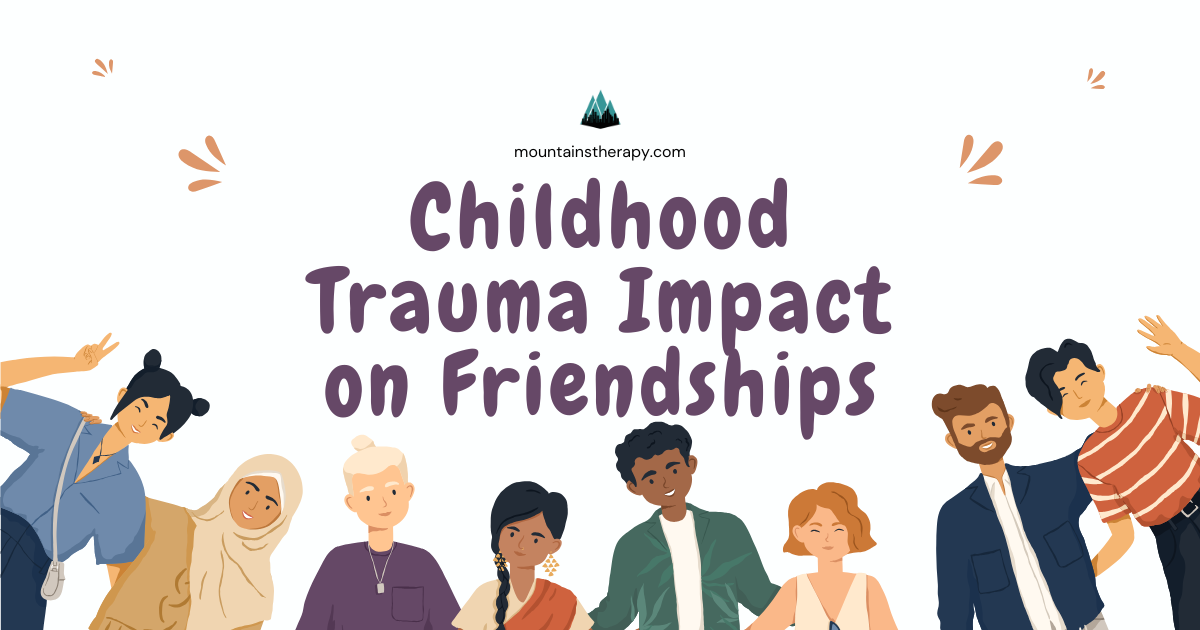
Symptoms of Childhood Trauma in Adulthood and Its Impact on Friendships
Learn more about Childhood Trauma Counseling.
In This Blog, You’ll Learn:
- How childhood trauma manifests in adulthood
- The impact of trauma on adult friendships and relationships
- Ways to recognize and address lingering trauma symptoms
- Why seeking professional help can foster healing and growth
Childhood experiences play a significant role in shaping our emotional and psychological health as adults. When we endure trauma early in life, it can leave a lasting imprint on how we navigate adulthood—particularly in our friendships and interpersonal relationships. Seeking help from a Childhood Trauma therapist or engaging in Childhood Trauma therapy can make a significant difference in addressing these challenges.
Recognizing Symptoms of Childhood Trauma in Adulthood
Trauma during childhood often resurfaces later in life, influencing how we interact with the world and form connections with others. Some common childhood trauma in adults symptoms include:
- Difficulty trusting others: A fear of vulnerability may stem from past experiences where trust was broken.
- Emotional dysregulation: Intense emotional reactions or challenges managing feelings are common.
- Avoidance behaviors: Some individuals avoid close relationships or certain environments to prevent triggering old wounds.
- Low self-esteem: Feeling unworthy of love or friendship can be a direct result of early traumatic experiences.
- Attachment issues: People may exhibit clingy, anxious, or distant behaviors in friendships and relationships.
Why does childhood trauma resurface in adulthood? Often, adulthood presents situations—like romantic relationships, major life changes, or parenthood—that mirror earlier experiences, causing old emotions to reappear. This can leave individuals feeling overwhelmed or uncertain about how to cope.
How Childhood Trauma Affects Friendships
The symptoms of unresolved trauma can profoundly impact adult friendships. If you’ve ever found yourself asking, "How can trauma affect adulthood relationships?", here are some key insights:
- Trust Issues: Childhood trauma often disrupts the ability to trust, making it challenging to form deep, meaningful friendships.
- Fear of Rejection: Fear of abandonment or rejection can lead to people-pleasing tendencies or avoiding friendships altogether.
- Emotional Withdrawal: Some individuals struggle to open up emotionally, which can leave friendships feeling one-sided or distant.
- Conflict Avoidance: Trauma survivors may avoid addressing issues in friendships, fearing confrontation or loss.
- Unrealistic Expectations: Unresolved trauma can create a heightened need for validation, leading to stress in relationships when those needs aren't met.
Understanding how childhood trauma affects adulthood psychology is crucial for navigating and improving these challenges. While it can feel isolating, you’re not alone—and these patterns are more common than you might think.
Breaking the Cycle: Healing and Growth
If you’ve been wondering, "Can childhood trauma affect adulthood permanently?", the good news is that healing is possible. Here are steps to address the symptoms and their impact on your friendships:
- Seek Professional Help: Working with a Childhood Trauma counselor or therapist can help you process past trauma and its lingering effects. Mountains Therapy, voted the best therapist near me in Montclair, NJ, specializes in addressing trauma-related challenges and can provide personalized support.
- Practice Self-Awareness: Reflect on how your past experiences influence your current relationships. Journaling or mindfulness exercises can help you identify patterns.
- Set Boundaries: Healthy boundaries are essential for building trust and maintaining balanced friendships.
- Develop Communication Skills: Open, honest communication can help you navigate conflicts and deepen connections.
- Build a Support Network: Surround yourself with understanding and empathetic individuals who can provide encouragement and support.
The Role of Therapy
Navigating the effects of childhood trauma on friendships and relationships can feel overwhelming, but therapy offers a path forward. By working with a trusted professional, you can:
- Understand why childhood trauma affects adulthood relationships and how to foster healthy connections.
- Learn coping strategies for managing symptoms like trust issues and emotional withdrawal.
- Discover ways to transform painful experiences into opportunities for personal growth.
If you’re searching for the best therapist in Montclair, NJ, look no further than Mountains Therapy. Our compassionate team has been recognized for providing effective, client-centered care to those seeking support for childhood and adulthood trauma. Whether you’re interested in Childhood Trauma counseling or want to explore Childhood Trauma therapy, we’re here to help.
Start Your Trauma Healing Journey
"How does trauma affect adulthood?" and "What childhood trauma in adulthood looks like?" are complex questions, but the answers can empower you to take control of your healing journey. While the effects of trauma are significant, they don’t have to define your relationships or quality of life. Whether you’re dealing with adulthood trauma or trying to understand why childhood trauma resurfaces in adulthood, support is available. You don’t have to navigate this journey alone. Reach out to Mountains Therapy today, voted the best therapist near me and take the first step toward healing and building meaningful connections.
Contact us to connect with a therapist for childhood trauma near me and counselor for childhood trauma near me.
ELEVATE YOUR MENTAL HEALTH BLOG
Mountains Therapy