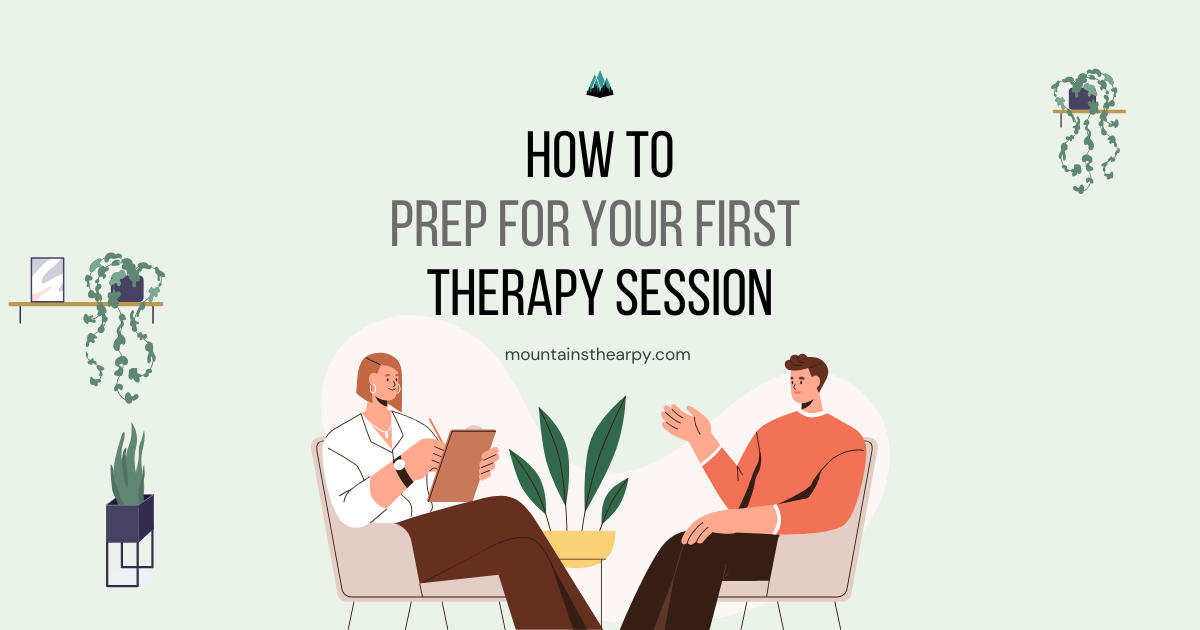
How To Prepare for a Therapy Session: A Simple Guide
Learn more about Individual therapy, Couples Therapy and Family Therapy.
In This Blog, You’ll Learn:
✅ How to mentally and emotionally prepare for a therapy session
✅ What to bring and think about before your first appointment
✅ Questions to consider when preparing for therapy
Getting Ready for Your First Therapy Appointment
Starting therapy can feel like a big step, whether it's your first session or you're returning after a break.
- You might be wondering:
- How do I prepare for therapy?
- What should I bring or think about beforehand?
- How can I get the most out of my session?
- The good news is that there's no perfect way to prepare,
- But a little thought beforehand can help you feel more comfortable and get the most out of the experience. knowing how to prepare for therapy intake can make a huge difference in your experience.
- Many people feel nervous or unsure before their first session, and that’s completely normal.
- But don’t worry, we’ve got you covered with everything you need to feel ready, confident, and prepared.
So you've scheduled your first therapy appointment, now what?
Let's expore how to set yourself up for a productive and meaningful conversation with your therapist.
1. Set an Intention for Your Session
Take a few moments before your appointment to think about why you’re seeking therapy. Ask Yourself:
1. Why are you seeking therapy?
- Are you dealing with stress and anxiety?
- Learn more about therapy for anxiety and stress here.
- Are you dealing with depression or seasonal depression?
- Learn more about therapy for depression therapy here..
- Are you struggling with relationships, work challenges, or self-esteem?
- Learn more about therapy for relationships here.
- Are you struggling with grief and loss of a loved one, break up, job loss or other life transitions and changes?
- Learn more about therapy forgrief counseling here.
- Do you need help processing past trauma, PTSD or emotional struggles?
- Learn more about therapy for trauma and PTSD.
2. What’s been on your mind lately?
- Are there emotions or experiences that feel overwhelming?
- Have you noticed recurring thoughts or patterns?
- Is there something specific you’d like guidance on?
3. What do you hope to get out of this session?
- Gaining clarity on a situation?
- Developing coping strategies?
- Learning new tools for emotional regulation?
Tip: If you're not sure where to start, Jot down a few thoughts or emotions you’ve been experiencing (a note in your phone or quick journal entry works).
2. Gather Your Thoughts (and Questions)
Coming to therapy with questions or reflections can help maximize your session. Some things to consider:
1. Reflect on your current challenges:
- What’s been the biggest challenge for you lately?
- How have you been coping with stress, anxiety, or emotions?
- Are there specific patterns in your behavior or relationships that you’d like to change?
2. Clarify what you want to gain from therapy:
- Are you looking for immediate relief from emotional distress?
- Do you want to build long-term coping mechanisms?
- Are you hoping to gain insight into certain thought patterns?
3. Practical questions to ask your therapist:
- How does therapy work?
- What therapy style do you use?
- What should I expect from future sessions?
- How will progress be measured?
Tip: Writing these questions down before your session can help ensure you don’t forget them.
3. Check-In with Your Body and Mind
Before your session, take a few minutes to do a mental and physical check-in.
1. Notice how you’re feeling:
- Are you feeling nervous, excited, or hesitant?
- Do you feel physically tense or restless?
- Recognizing these emotions can help you ease into the session.
2. Practice mindfulness before therapy:
- Take deep, slow breaths to relax your body.
- Stretch or do light movement to release physical tension.
- Take a short walk or engage in a calming activity like listening to music.
3. Acknowledge your thoughts without judgment:
- It’s okay to feel uncertain about therapy.
- There’s no “right” way to feel before a session—just be present.
Tip: If your mind feels scattered, try writing a few sentences about how you’re feeling before your appointment.
4. Be Open, Honest, and Go at Your Own Pace
Therapy is a space for you, there’s no pressure to say the “right” thing.
1. Worried about not knowing what to say?
- Your therapist is trained to guide the conversation, so you don’t need to have a script.
- If you’re nervous, it’s okay to say that—your therapist will help ease you in.
2.You don’t have to rush into deep emotions:
- If you’re not ready to discuss something heavy, that’s completely fine.
- Therapy is a process, and you control the pace. (Learn more about trauma therapy if you have past experiences to process)
3. Openness leads to meaningful breakthroughs:
- If something is bothering you, even if it feels small, share it.
- The more honest you are, the more your therapist can help.
4. Ask questions if you feel unsure:
- You can ask about confidentiality, how therapy works, or anything else that helps you feel more comfortable.
Tip: If you feel nervous, remind yourself that therapy is about support—not judgment.
5. Take Care of Logistics
Feeling rushed or frazzled can make it harder to settle into the session.
1. If you’re meeting online:
- Test your WiFi connection, camera, and microphone beforehand.
- Find a quiet, private space where you can speak freely.
- Eliminate distractions—close unnecessary tabs, silence notifications.
2. Plan your route in advance to avoid stress.
- Check parking and office details to avoid last-minute surprises.
- Arrive a few minutes early to get settled.
Tip: Creating a calm environment helps you focus fully on yourself during therapy.
6. Treat Yourself with Compassion
Therapy can bring up a range of emotions—be kind to yourself before and after your session.
1. After therapy, allow time to process:
- You might feel lighter and relieved, or you might feel emotionally drained, both are normal.
- Give yourself space to reflect, whether through journaling or quiet time.
- Engage in self-care activities like taking a walk, drinking tea, or practicing deep breathing.
2. Remember, progress takes time:
- You don’t have to have everything figured out right away.
- Therapy is a journey, and each session builds on the last.
Tip: Give yourself credit for taking the step to prioritize your mental health!
7. Don’t Stress About “Doing It Right”
Therapy is a space for exploration, not performance.
- 1. There’s no perfect way to prepare:
- Some sessions may feel more structured, while others feel more free-flowing.
- Trust that your therapist will guide the conversation in a way that supports you.
- 2. The most important thing? Just showing up.
- Whether you’re feeling ready or hesitant, simply being present is enough.
- Therapy is about growth, and every session contributes to that.
Tip: If you’re feeling unsure, remind yourself that taking this step is already a big win.
Ready to Start Therapy?
If you’re searching for the best therapy near me, know that finding the right fit is key. At Mountains Therapy NJ, we’re proud to be recognized as voted best therapy and to provide compassionate, effective care. Whether you’re looking for individual counseling or need help preparing for a therapy consultation, we’re here to support you. Interested in scheduling your first session? Reach out today, we’d love to help you on your journey.
If you’re still wondering do I need to prepare for therapy? or what to prepare before therapy?, the answer is simple: Just bring yourself. Whether you’re preparing for couples therapy, an individual session, or a therapy consultation, these steps can help you make the most of your experience. Therapy is a journey, and you don’t have to have everything figured out to start. If you’re ready to begin, reach out today to connect with a voted best therapist who can support you on this path. Your mental health matters, and we’re here to help.
Looking for more resources? Check out our other blogs on how to prepare for therapy Reddit users recommend, how to prepare for therapy intake, and questions to prepare for therapy to make the most of your sessions!
Contact us to connect with the best counselor near me and best therapist near me.
POSTS
Elevate Mental Health Blog: Best Therapists of Montclair 2024