Postpartum Anxiety: Understanding Symptoms, Diagnosis and a Treatment Plan for Anxiety
Learn more about Anxiety Therapy and Women's Issues Therapy.
In This Blog, You Will Learn:
- What postpartum anxiety is, its symptoms, and how it differs from typical worry
- The connection between postpartum anxiety, OCD, and depression
- How to seek professional support and create a personalized anxiety treatment plan
- Natural and holistic approaches to managing postpartum anxiety
- How Mountains Therapy supports parents navigating postpartum challenges with anxiety therapy and counseling
Bringing a new life into the world is one of the most beautiful experiences, but it also comes with emotional and mental challenges for many parents. At Mountains Therapy in NJ, we know that one of the less talked about but very real experiences is postpartum anxiety. Let’s explore what postpartum anxiety feels like, how it’s diagnosed, and the natural ways to address it, including creating a personalized treatment plan for anxiety.
If you’re struggling with postpartum anxiety, working with an anxiety therapist, seeking anxiety therapy, or connecting with an anxiety counselor can provide the tools and support you need. Whether it’s through anxiety counseling or holistic approaches, there are ways to heal and find balance.
What Is Postpartum Anxiety?
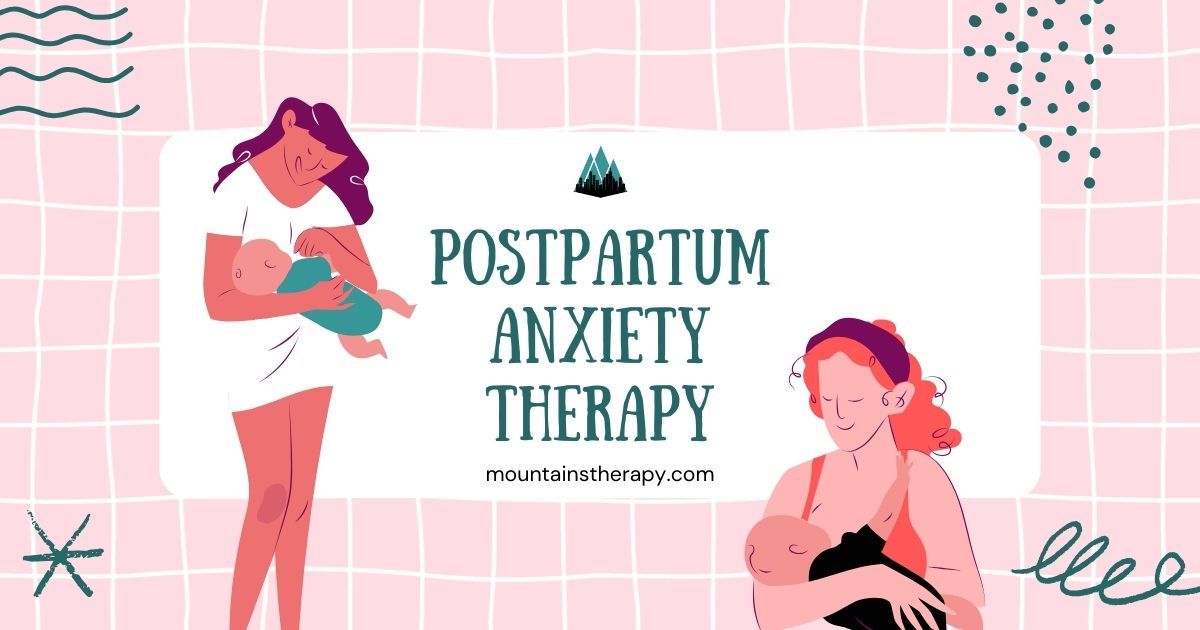
Postpartum anxiety is an overwhelming feeling of worry, fear, or dread that arises after giving birth. It often involves excessive thoughts about the baby's health, safety, or even day-to-day parenting decisions. While many people are familiar with postpartum depression, postpartum anxiety is less commonly discussed.
What is postpartum anxiety and OCD? This refers to intrusive thoughts or compulsive behaviors aimed at reducing anxiety. For some parents, postpartum anxiety can also include obsessive-compulsive symptoms. For example, a parent might repeatedly check on their baby to ensure they’re breathing or clean items obsessively to avoid germs.
What Postpartum Anxiety Feels Like
It’s more than typical worry, it’s an intense and persistent fear that something will go wrong. These feelings can make parenting feel overwhelming, even in the most peaceful moments.
Symptoms might include:
- Restlessness or inability to relax
- Racing thoughts
- Trouble sleeping, even when the baby is sleeping
- Physical symptoms like nausea, dizziness, or shortness of breath
When Does Postpartum Anxiety Start?
Many people wonder when postpartum anxiety start and it can begin shortly after birth or even weeks later. For some, symptoms might arise out of nowhere after feeling relatively stable. Many also wonder, can postpartum anxiety start at 4 months? The answer is yes. It’s not unusual for anxiety to start several months postpartum, especially as new challenges like sleep regression or teething arise.
Who Diagnoses Postpartum Anxiety?
If you’re experiencing these symptoms, you might be wondering, who diagnoses me for postpartum anxiety.
A licensed healthcare provider, such as a therapist, psychiatrist, or OB-GYN, can assess your symptoms and provide a diagnosis. Open communication with your doctor is key—they can help you determine whether what you’re experiencing is postpartum anxiety or another condition like depression or OCD. If you’re feeling lost, reaching out to an anxiety therapist can be a helpful first step. They specialize in creating personalized care for managing anxiety, whether it’s related to postpartum challenges or other areas of life.
How Long Does Postpartum Anxiety Last?
How long does postpartum anxiety last? It varies for each person. For some, symptoms may improve after a few months with the right support. Others may experience anxiety for a year or longer if left untreated. The good news is that with proper care and treatment, postpartum anxiety can improve. Will postpartum anxiety go away? Yes, but healing often requires intentional steps toward recovery. If you continue having symptoms for a longer than manageable time, we recommend you find therapy for anxiety near me.
What Is Postpartum Anxiety and Depression?
Sometimes, postpartum anxiety occurs alongside depression. If you've wondered what postpartum anxiety and depression is then, we have the answer. It’s when symptoms of anxiety like restlessness and racing thoughts, combine with depression symptoms, such as sadness, fatigue, or feelings of hopelessness. This combination can make it even more challenging to manage daily life, but it’s also treatable with the right approach.
How to Help Postpartum Anxiety
If you or a loved one is experiencing postpartum anxiety, you might be wondering how to help postpartum anxiety. Here are a few supportive steps to take:
- Seek professional support: A therapist specializing in postpartum mental health can provide coping strategies and emotional support.
- Lean on your support system: Don’t hesitate to ask for help from family or friends, whether it’s babysitting or simply talking.
- Practice self-compassion: Remind yourself that postpartum anxiety is not your fault, and you’re doing your best.
Creating a Treatment Plan for Anxiety
If you’re dealing with postpartum anxiety, a tailored treatment plan for anxiety can make a world of difference. Here’s what it might include:
- Therapy sessions: Working with an anxiety therapist can help you identify triggers and develop coping mechanisms.
- Mindfulness practices: Incorporating meditation or breathing exercises into your routine can reduce anxiety symptoms.
- Natural remedies: Exploring how to treat postpartum anxiety naturally, such as with a healthy diet, regular exercise, and adequate sleep, can provide relief.
- Medication: In some cases, medication might be recommended, but this will depend on your specific needs and discussions with your doctor.
How to Treat Postpartum Anxiety Naturally
If you’re looking for holistic options, how to treat postpartum anxiety naturally is a common question. Here are a few effective strategies:
- Mindfulness and meditation: These practices help calm the mind and reduce racing thoughts.
- Exercise: Even a short daily walk can boost endorphins and lower anxiety levels.
- Nutrition: Eating a balanced diet rich in whole foods can support brain health and emotional balance.
- Sleep: Easier said than done as a new parent, but getting rest whenever possible can make a world of difference.
Postpartum anxiety is challenging, but you don’t have to navigate it alone. Whether you’re seeking anxiety therapy, working with an anxiety counselor, or just starting your journey to healing, there’s hope. If you’re in New Jersey, Mountains Therapy is here to support you. We recommend counseling near me anxiety. Our compassionate team understands the complexities of postpartum mental health and can help you find the path to healing. Let’s make sure you feel supported, seen, and capable of thriving in this new chapter of life.
Contact us to connect with a Therapist for Postpartum Anxiety and Counselor for Postpartum Anxiety.
ELEVATE YOUR MENTAL HEALTH BLOG
Mountains Therapy