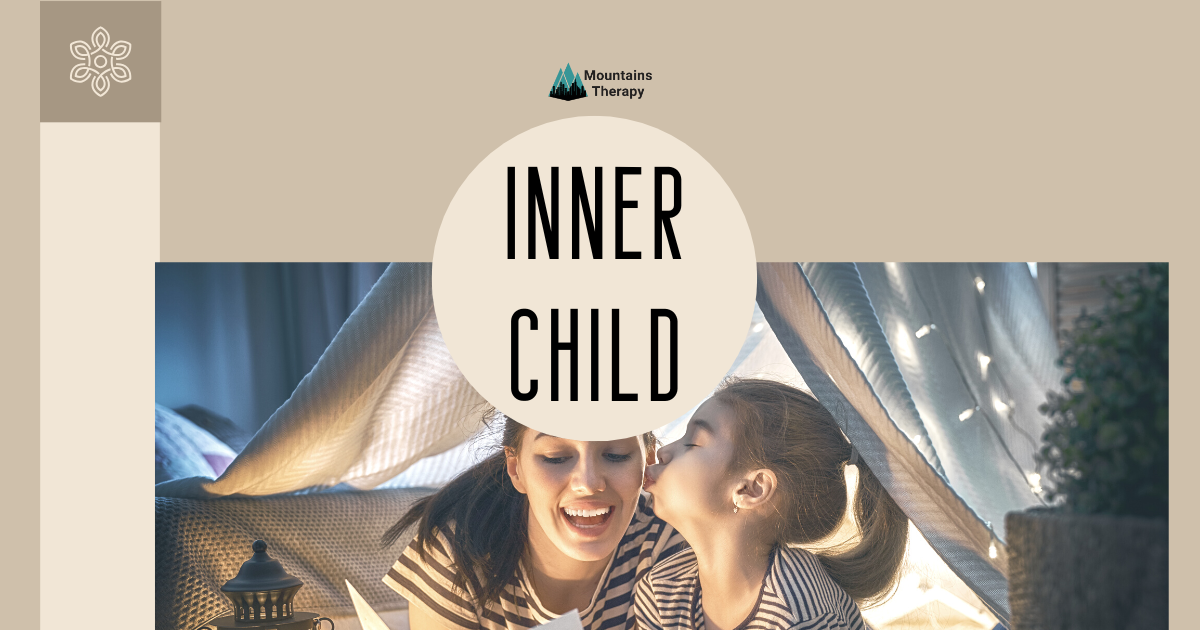
Healing Your Inner Child: Understanding and Reconnecting with Yourself
Learn more about Individual Therapy in NJ.
In This Blog, You’ll Learn:
- What the inner child is and why it matters
- Signs that your inner child needs healing
- How to begin reconnecting and reparenting yourself
- The therapeutic approaches used at Mountains Therapy in Montclair, NJ
- Common questions about inner child healing
What Is the Inner Child?
At Mountains Therapy, we often explore the concept of the “inner child” in therapy sessions. The inner child represents the part of you that carries early emotional experiences—both joyful and painful—that continue to influence your adult life. Your inner child holds memories of curiosity, creativity, and love, but it can also carry wounds from trauma, neglect, or unmet needs. When these emotional injuries are left unhealed, they can appear in adult life as self-doubt, trust issues, emotional triggers, or self-sabotage.
Understanding the Inner Child
The inner child is not a literal part of your body but a metaphorical aspect of your subconscious that reflects your earliest emotional development. It’s the part of you that still longs for comfort, safety, and understanding.
For many people, this younger self carries unprocessed emotions or beliefs formed during childhood—beliefs like “I’m not enough” or “I have to be perfect to be loved.” These beliefs can quietly shape adult relationships, decisions, and reactions.
Signs Your Inner Child Needs Healing
Recognizing these signs is the first step toward healing and creating new patterns that align with your adult values.
- Recurring Emotional Patterns:
Strong emotional reactions to rejection, abandonment, or criticism often point to unresolved childhood wounds. - Self-Sabotage:
If you often undermine your success or happiness, your inner child may still fear failure or rejection. - Difficulty Trusting Others:
Trust issues frequently stem from inconsistent or unsafe caregiving in childhood. Healing helps rebuild trust in yourself and others. - Perfectionism and People-Pleasing:
These can be survival mechanisms learned in childhood to earn love or avoid punishment.
How to Begin Healing Your Inner Child
- 1. Acknowledge Your Inner Child:
Accept that your inner child exists and carries valid emotions. Reflect on your early experiences and how they may still influence your thoughts and behaviors. - 2. Listen with Compassion:
Pay attention to emotions that feel deep, childlike, or irrational. These moments are often messages from your inner child asking for attention. - 3. Reparent Yourself:
Healing involves giving yourself the love, safety, and patience you needed as a child. Speak kindly to yourself, set healthy boundaries, and practice self-nurturing. - 4. Seek Professional Support:
Working with a therapist helps you process memories, validate your experiences, and learn emotional regulation techniques in a safe environment.
Therapeutic Approaches for Inner Child Healing in Montclair, NJ
At Mountains Therapy, our experienced clinicians use evidence-based approaches to help clients connect with and heal their inner child:
- Psychodynamic Therapy in Montclair, NJ
Explores early experiences, unconscious patterns, and the emotional roots of current struggles. By understanding how the past influences the present, clients develop self-awareness and inner peace. - CBT – Cognitive Behavioral Therapy in Montclair, NJ
Helps identify and replace negative beliefs formed during childhood, creating healthier ways of thinking and behaving. - Mindfulness-Based Therapy in Montclair, NJ
Teaches self-compassion, present awareness, and emotional regulation—essential tools for soothing and nurturing your inner child. - Narrative Therapy in Montclair, NJ
Empowers clients to rewrite their personal story by separating themselves from their past pain and seeing their inner child as worthy of healing. - ACT – Acceptance Commitment Therapy in Montclair, NJ
Encourages self-acceptance and helps you live in alignment with your values rather than old fears or wounds.
Therapy Services We Offer in Montclair, NJ
- In-Person Therapy in Montclair, NJ
- Experience face-to-face counseling in a safe, supportive environment where you can connect more deeply and focus on healing.
- Individual Therapy in Montclair, NJ
Explore your emotions and develop a stronger connection with your authentic self. - Couples Therapy in Montclair, NJ
Learn how childhood wounds influence relationship patterns and communication. - Family Therapy in Montclair, NJ
Understand and heal intergenerational dynamics that may have affected your upbringing. - Online Therapy in Montclair, NJ
Receive compassionate care and support from the comfort of your own space.
FAQs About the Inner Child and Healing
- What does “your inner child” mean?
It refers to the emotional part of you that carries the memories, needs, and feelings from your childhood. - Who needs inner child healing?
Anyone who experiences recurring emotional pain, low self-esteem, or unresolved trauma can benefit from healing their inner child. - How can I talk to my inner child?
Through journaling, meditation, or guided imagery, you can connect with your younger self and express compassion and reassurance. - What is an unhealed inner child?
It’s the part of you still affected by past emotional wounds, often leading to fear, self-doubt, or reactivity. - What exactly is your inner child?
It’s a metaphor for your emotional self, representing both the joyful and wounded aspects of your early experiences. - What is an example of an inner child?
The playful, curious part of you that loves creativity—or the hurt part that still feels unsafe after rejection or criticism. - What triggers your inner child?
Situations that mimic childhood experiences of fear, neglect, or rejection often reactivate inner child wounds. - What causes an unhealed inner child?
Trauma, neglect, inconsistent caregiving, or emotional invalidation during childhood can cause lasting emotional scars. - What are the 8 childhood traumas?
Physical abuse, emotional neglect, emotional abuse, sexual abuse, separation, loss, witnessing violence, and lack of emotional safety. - How do I know if I need to heal my inner child?
If you often feel emotionally reactive, unworthy, or stuck in negative patterns, your inner child may need care and healing. - Does everyone have an inner child?
Yes. Every person carries the emotional imprint of their childhood experiences. - Who heals your inner child?
You do—with support from a therapist who provides guidance, validation, and a safe environment for growth. - What are the symptoms of childhood trauma in adults?
Anxiety, depression, trust issues, difficulty with intimacy, or patterns of self-sabotage. - How do I speak to my inner child?
Use gentle, affirming language and remind your inner child they are safe and loved now. - How do I fix my broken inner child?
Healing involves acknowledgment, self-compassion, therapy, and practicing nurturing behaviors toward yourself. - Why can’t I access my inner child?
Fear, emotional suppression, or past trauma may block connection, but therapy can help you reconnect safely. - How do I release past trauma?
By processing emotions through therapy, mindfulness, and grounding techniques that promote safety and regulation. - What are the 7 steps to healing trauma?
Awareness, acknowledgment, acceptance, expression, compassion, release, and integration. - How do I heal the inner child in me?
Practice reparenting, self-compassion, journaling, and guided therapy focused on emotional connection and repair. - What are the 5 inner child wounds of healing?
Rejection, abandonment, humiliation, betrayal, and injustice. - What are examples of unhealed childhood trauma?
Emotional neglect, bullying, loss of a caregiver, or feeling unseen or unloved. - What is a wounded inner child trauma?
When early emotional pain remains unresolved, causing recurring adult distress and relational challenges.
Start Healing Your Inner Child Today
Healing your inner child is one of the most profound acts of self-love. It allows you to integrate your past with compassion and create a life rooted in authenticity, peace, and connection. At Mountains Therapy, our therapists are here to support you through every step of this journey. You deserve to feel whole again.
ELEVATE YOUR MENTAL HEALTH BLOG
Mountains Therapy